—-
To stay in the loop with the latest features, news and interviews from the creative community around licensing, sign up to our weekly newsletter here



Licensed Ltd’s Paul Bufton puts ‘Original Gamers’ in the spotlight – and looks at how brands can best engage with this exciting audience.
The first generation to grow up with video games is now in its peak spending years.
They fed coins into arcade machines. They queued around the block for home console launches. They stayed up until 2AM navigating pixelated worlds their parents didn’t understand. And now – 40-something years later, financially established and deeply nostalgic – they’re one of the most commercially interesting demographics in consumer products licensing. The question is whether the industry is ready to meet them…
The Original Gamer Demographic
Speak to any consumer products partner active in the category and they’ll quickly tell you the same thing: nostalgia sells particularly well during periods of geopolitical uncertainty and gaming is proving to be a rich vein to tap. Nintendo, SEGA, PAC-MAN, Atari and Tetris, to name just a few, all maintain robust consumer products programmes
“For too long, gaming IP has been treated as a subsection of entertainment – junior to film and TV, useful but not essential.”
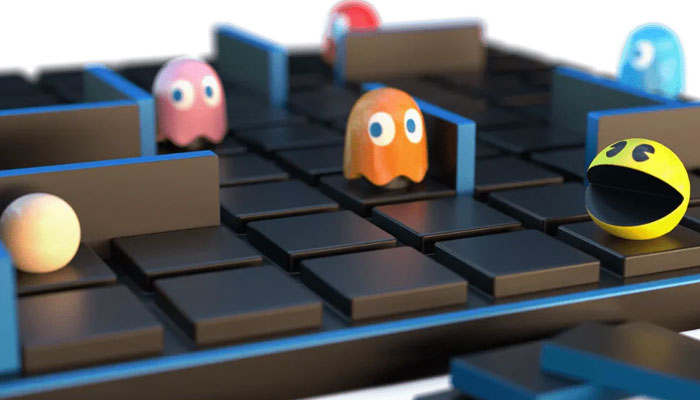
By tapping into the ‘Original Gamer’ demographic – the first generation to grow up with arcade machines and home consoles – brands have unlocked creative applications across the Home and Gift categories. Replica arcade machines, desk toys, whisky decanters, tableware and ambient lighting now grace the homes and offices of fans worldwide. In many ways, these products function less like toys and more like cultural artefacts – physical expressions of a formative experience.
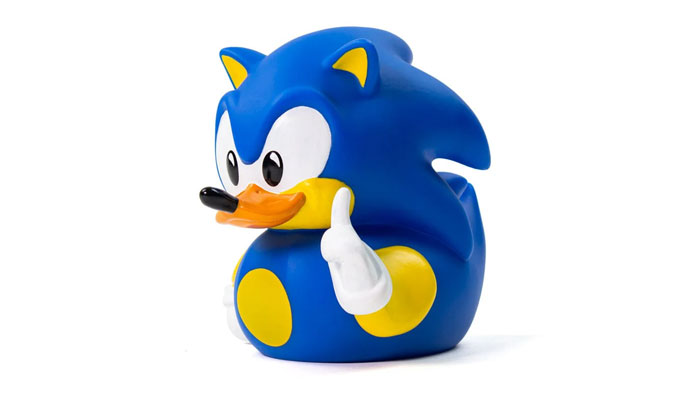
Matt Precious from pop culture licensee Rubber Road explains: “The key is giving fans new ways to celebrate those properties beyond simply replaying the games. Collectability and authenticity are major drivers for this audience. At Numskull Designs we’ve leaned into that with ranges like TUBBZ, which reimagines iconic gaming characters as collectible rubber ducks, and Quarter Arcades, which faithfully recreates classic arcade machines at ¼ scale. Both ranges tap directly into the nostalgia and display culture around retro gaming, allowing fans to celebrate the franchises they love in a way that fits modern collector culture.”
So, What’s Holding it Back?
When you consider the combined weight of classic and modern gaming IP, a question quickly emerges: is the video games genre getting its fair share of licensed revenue compared with the entertainment powerhouses of film and TV? The simple answer is probably not.
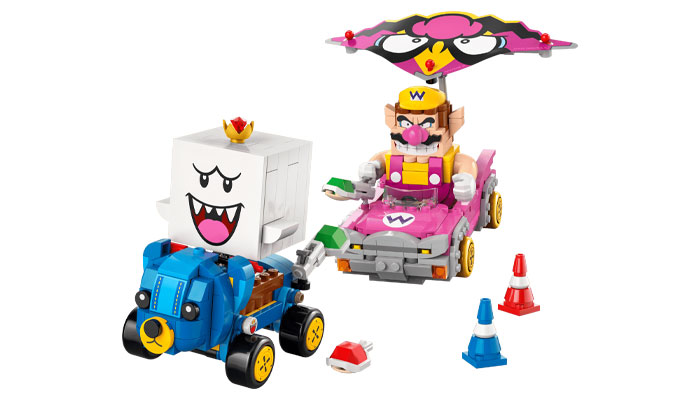
Jen Donahoe, Chief Strategist at Jade Inferno Consulting, identifies the structural challenge clearly, telling me: “One of the difficulties with video game IP in consumer products is audience fragmentation. Many core titles skew male, 18 to 35 – older than traditional toy and gift demographics. Regional variation adds another layer of complexity – League of Legends commands vastly different cultural weight in Asia versus North America. Where kid-oriented IP like Mario crosses over cleanly, you see real licensing momentum. The broader opportunity, though, lies in understanding that gaming audiences don’t just want to replay their favourite titles. They want to own a piece of them.”
That last point is key. For many video game publishers, licensing revenues represent a drop in the ocean compared with the billions generated by game sales, digital distribution and live-service ecosystems. The core business dominates the conversation, and consumer products rarely make it to the top of the agenda.
But when executed thoughtfully, consumer products licensing provides an opportunity to engage fan communities in deeper and more meaningful ways, protect trademarks through active product ranges, and generate healthy downstream revenues. In its absence, those revenues risk being redirected toward unofficial fan-created products on platforms such as Etsy, Temu and AliExpress.
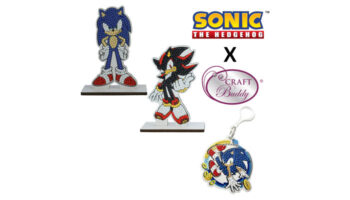
The smarter gaming rights holders are already adapting. Emmanuelle Cadet, Head of Brand Licensing EMEA for SEGA, outlines their approach: “At SEGA, we have adopted a transmedia approach, redefining the possibilities of video game franchises in the broader entertainment spectrum. We have brought beloved IP like Sonic the Hedgehog to new audiences through a variety of formats and platforms – films, animation, live experiences, merchandise and collaborations with brands and creators. To engage new fans without alienating our core, we create a very different range of products, content and experiences – while holding in common the storytelling, innovation and community engagement that defines the franchise.”
That transmedia thinking – storytelling at the centre, products and experiences radiating outward – is exactly the model that has driven the most successful entertainment licensing programmes of the last three decades. The question is how quickly the rest of the industry catches up.
For too long, gaming IP has been treated as a subsection of entertainment – junior to film and TV, useful but not essential. That’s the wrong frame entirely. The first generation raised on video games isn’t consuming gaming nostalgia passively. They’re furnishing their homes with it, collecting it, and handing it to their children. The IP they grew up with isn’t retro. To them, it’s foundational.
The businesses that figure that out first won’t just be riding a nostalgia wave. They’ll be building the next major licensing category from the ground up. The original gamers aren’t coming. They’re already here. The only question is whether the industry is ready to meet them on their terms and expectations.
Creative Director Sophie Bloomfield looks at how archived IP can enjoy new life at retail.

What’s the verdict on the Science Museum’s Star Trek Warp Trail partnership? “Fascinating” says Deej Johnson.

As London Book Fair 2026 closes, we find some licensed titles among the stuff we love…

From games and TV shows to lost movies and more: the hit-and-miss licensing of Spy vs Spy.

Licensed Ltd’s Paul Bufton looks at how fans creators are paving the way for a new era in licensing.

“Kawaii feels like it’s just getting started”: Independent creative Danny Heffer reports back from recent trips to London Toy Fair and Spring Fair.

Receive the Brands Untapped Newsletter

Enter your details to receive Brands Untapped updates & news.