—-
To stay in the loop with the latest features, news and interviews from the creative community around licensing, sign up to our weekly newsletter here


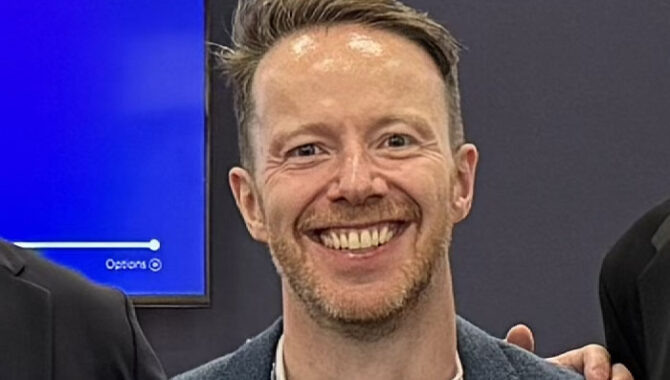
“Delivering the right creative is about listening to audiences.” In conversation with Tom Dobson-Gunn.
Tom, having worked in a number of roles in and adjacent to the licensing sector you have a lot of insight and experience around fans and fandom. What’s your take on the relationship between fans and licensing? Are their opportunities being missed or conversely is the ‘fan sea’ being overfished?
The fan sea is definitely not being overfished. There are so many fandoms that are underserved by great products and experiences. Just in terms of what I personally would like to see there are so many opportunities.
With shelf space limits no longer being the limiting factor they once were, e-commerce and social media make targeting and selling directly to specific fandoms very easy – the rationale for not creating authentic products for fans no longer exists. It may be fair though to say that sometimes the fan sea is being under served in the quality, authenticity and speed to market of some products and experiences.
Although most fans may not understand exactly how licensing works, and nor do they need to, they do know the difference between something that they want to buy and something they don’t. As with all licensing, anything that doesn’t feel authentic or looks like a cash-in or label-slap isn’t going to be well received.
When brands and their partners deliver great products for fans – such as the LEGO Goonies Ship, The Traitors live experience or most things that Pokemon release – then the relationship between fans and licensing works incredibly well. Where cynicism creeps in – and partners see a chance to turn a quick profit by tapping into an engaged fanbase – then the relationship can sour. That doesn’t just affect that particular licensee but also blows back on the licensed brand as well.
You have experience of bringing commercial brands into the fan world at conventions. Can you tell us about your experiences here and what your thoughts on how brands should manage their participation at conventions?
Conventions – whether general fandom or brand specific – are incredibly important for fans. Fans not only want to be surprised and delighted by unexpected activities, be it photo opportunities, or brand interactions, but they also want exclusive products. Something that can only be purchased in that time and place that they can show and share with pride.
Whether it was creating South Park t-shirts that dropped on specific days and times at San Diego Comic Con, or trying to create an overall brand experience at the first MagicCon to come to Europe, fans have high expectations and expect to be listened to. It’s important to understand and listen to your fans – they know what they want and they are very vocal about it, so it’s not difficult to tap into this, or to create it from scratch if managed well. Post-lockdown, the demand for in-person brand engagement has never been higher and therefore never more important to get it right.
In your roles at Games Workshop and Wizards of the Coast, part of your function was bringing together licensees and brand partners. What advice would you give brand owners regarding this sort of coordination?
Warhammer and Magic: the Gathering have huge fandoms. They haven’t necessarily crossed over to the mainstream, but they are incredibly lucrative businesses. With such engaged fans that spend a large amount of money on their hobbies, be they high quality miniatures or cards, their expectations from licensed products are equally as high. Therefore, the selection of partners and product approval processes need to be very considered.
Particularly for Warhammer, a lot of the partners were in the video games space, meaning the product development stage is long and detailed. With a lore that spans decades and many formats, it needs to be 100% correct. Therefore brand owners in this space need to be very discerning, really understand their fans and ensure their partners deliver the highest quality products.
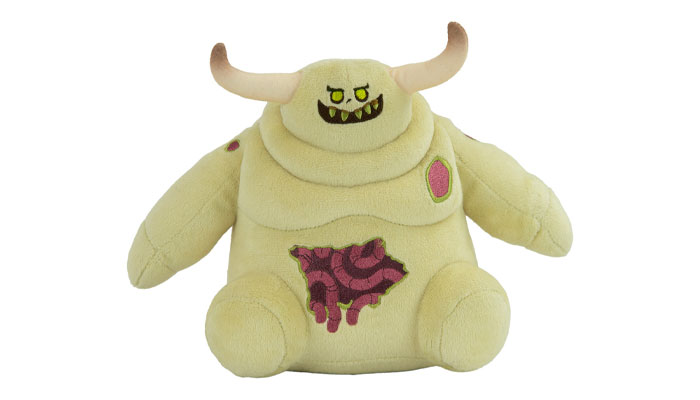
That’s not to say you can’t have fun though – one of the most popular products that launched during my time at Games Workshop was a fun plush, not the first product that springs to mind when thinking of the dystopian 41st century!
Ha! Now, licensing can sometimes seem like a reactive industry. How do you think IP owners could become more proactive and strategic in their approach?
It’s tough, right? In licensing, most of the risk sits with licensees, and with so many brands out there looking for partners, the incentive to take a big risk isn’t really there – as the recent example of KPop Demon Hunters shows us… Although I bet a lot of companies wish they had been a bit bolder with that one!
For licensees, it’s more important than ever that they have fans in their own teams that are close to fandoms and can see the opportunities with their own eyes. We’ve all been to countless partner presentations over the years and been told what the next big thing is going to be… I’ve been that person on stage myself. That’s not to say anyone is being disingenuous when they do this, but it’s coming more from hope than certainty.
Working on brands like Warhammer, we’ve seen licensees come on board because they have fans in their teams that have told them their honest thoughts on potential opportunities and that they understand how to make a great product for that audience. Licensees should do their best to hire people across the business that are fans themselves, across a broad range of brands.
It was my love of Harry Potter that kept me engaged in driving the brand when I worked at Warner Bros. as many people, both internally and externally, believed that with the final two films, the IP would be winding down to make way for others.
You have worked on character brands and franchises like Harry Potter, Teenage Mutant Ninja Turtles and South Park. Thinking about design specifically, what advice would you give to brand owners about commissioning creative materials such as style guides?
It doesn’t matter what brand you’re working on or where it is in its lifecycle, compelling style guides remain one of the most important things in both selling and delivering great products.
I’ve been incredibly fortunate to work with amazing creative teams everywhere I’ve worked and partnered closely with them to create a brand story that not only talks about the brand attributes, great viewing figures and brand awareness but also engages both licensees and fans with amazing creative. Many of the marketing initiatives I’ve led have started with and been led by the creative. SpongeBob Gold came from a brainstorm with the creative team, while the MTV Music Meets Fashion competition gave control of the creative over to design students.
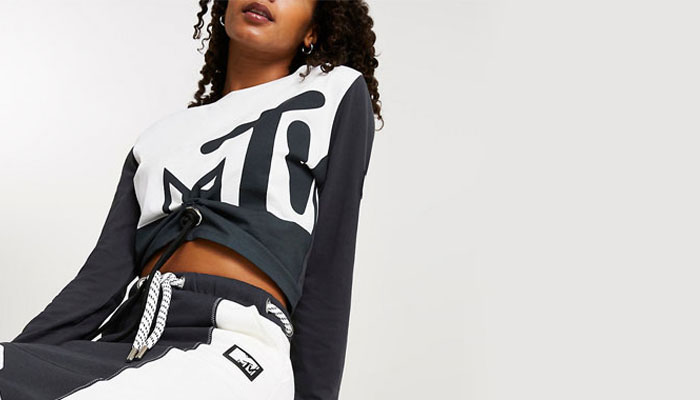
Creative can help rejuvenate your brand in a way that throwing a lot of time and money at a marketing campaign cannot do alone. A brand like MTV, which was very trend-driven, needed new creative and style guides every year, while new creative for the infant category helped expand opportunities for brands like SpongeBob, TMNT and PAW Patrol.
Delivering the right creative is about listening to audiences. Research done on brands like South Park and Teenage Mutant Ninja Turtles helped deliver targeted creative that didn’t cost the earth and worked across multiple categories.
Reflecting on 2025, can you highlight a couple of design trends that you think stand out – and share any thoughts on trends that are developing in 2026?
Well I don’t claim to be a creative expert, I leave that to the amazing creative colleagues I’ve worked with over the years. But from my side, the trends that don’t seem to be going away are nostalgia and unexpected brand mash-ups. With so many brand anniversaries every year, it’s great to see so many amazing IPs that I grew up with continuing to engage with fans and find new ones.
And there are some really exciting brand mash-ups to surprise and delight fans. These are not always easy to pull off and it’s often down to the thoughtful creative that they resonate with audiences.
You have been involved in retail pop ups – for example working on The Harry Potter Shop at Harrods. What role do you think pop up retailing can perform for a brand and how can it be integrated into an overall retail strategy?
Pop up retailing can be really effective, if executed correctly. First up there needs to be a good reason for it. Is it an anniversary, new product release or another moment to tie to? You need to give fans a reason to come along – engaging experiences, exclusive products… It’s important to create that fan FOMO. And then you need to make sure the fans know about it and why they can’t miss out.
In terms of how they can fit into an overall retail strategy, not everyone will be able to make it to the pop up due to location or time, so if you can follow it up with something that is fun and more accessible – like an exclusive product at a mass market retailer – then you’re able to amplify the effectiveness of the pop up across the wider retail landscape.
Great answer. I also wanted to ask you about location-based entertainment. Why do you think there has been so much success for this category recently?
I think the lockdowns of the pandemic era really brought home to people how much they want and need shared experiences with friends and family – and also how they want to maximize the time they spent together doing fun things that created new memories. As we know from other categories, licensing is perfect for this as friends and families can bond over shared engagement with their favourite IPs.
Great recent examples of this are Monopoly Lifesized, perfect for all members of the family with decades of heritage and being played, and the Traitors Live Experience, a hit on TV around the world. One I went to myself last summer was the Secret Cinema Grease immersive event which was great fun to see the film come to life with a real fairground and singers and dancers.
Finally, imagine you are made the curator of the Museum of Licensing and are asked to curate your own exhibition based on a brand of your choice. What are you going to choose?
Ah, that is such a tough one, but I would probably go with Lord of the Rings and the wider Tolkien universe. Tolkien created such a broad and deep universe that has engaged with audiences for over 70 years. The Peter Jackson movies helped open the world up to a wider audience and were so fantastically made.
In terms of what might be in the exhibition, the book art and maps have been made into some fantastic products like stamps and prints. I have a huge mat that I have my laptop on that is a map of Middle Earth. LEGO have done, as they always do, a fantastic job over the years and I have several of their builds. When I was working at Wizards of the Coast we released a LOTR set which, at the time, was the biggest selling Magic set ever and reimagined the cast of characters. WETA have made some amazing models and replicas and Games Workshop made incredibly intricate tabletop miniatures also.
Great pick! Thanks again Tom.

A light touch for the Dark Knight: Simon J. Smith says Batwheels has some of his career-favourite ideas…

“You cannot approach a brand like Kodak or Philips or Electrolux with a generic playbook”: As LMCA turns 40, we catch up with President and CEO Ciarán Coyle.
“The business has only grown because of the people in it – people who care about the work, challenge ideas and take ownership”: In conversation with Jason Knights, MD at Blue Kangaroo.

“Collaborating with incredibly talented artists is such an important part of what we do”: In conversation with Byron Williamson, License & Marketing Manager at Spike Leisurewear.

“In gaming, if you can’t adapt your IP to the visual and mechanical language of the platform you’re entering, you will fail”: In conversation with Elinor Schops, VP of Digital and Gaming at Miraculous Corp.

Kate Schlomann – EVP Business Development and Operations at Spiralcute – on what gives IP like Chiikawa, Mofusand and Koupen Chan licensing potential.

Receive the Brands Untapped Newsletter
Enter your details to receive Brands Untapped updates & news.