—-
To stay in the loop with the latest features, news and interviews from the creative community around licensing, sign up to our weekly newsletter here


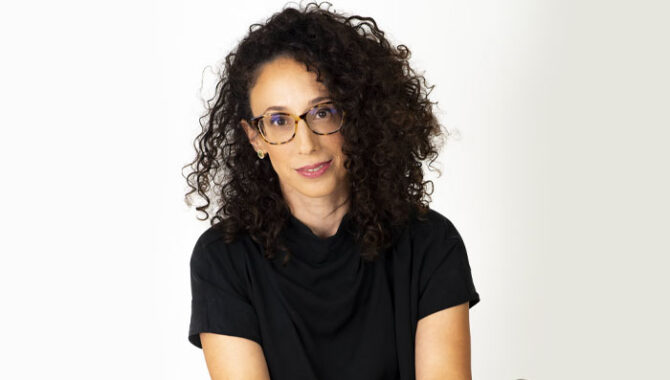
“In gaming, if you can’t adapt your IP to the visual and mechanical language of the platform you’re entering, you will fail”: In conversation with Elinor Schops, VP of Digital and Gaming at Miraculous Corp.
Elinor, what makes Miraculous a great fit for the digital gaming space?
Miraculous has a unique advantage that most brands entering the gaming industry lack: an audience that was already engaged in a gaming world before the first game launched. The show’s core elements are inherently game-like, featuring heroes with unique powers, a villain with clear objectives, and episodic story arcs.
When we launched Miraculous on Roblox, it reached 100 million plays in just seven weeks without any marketing. This isn’t luck; it reflects an audience that quickly connected with familiar elements. Today, we are approaching a billion plays on Roblox, with 65% of the audience being female – a demographic historically underserved in gaming. We’re proud to have created something meaningful for this audience.
The brand has enjoyed collabs with Talking Tom and Stumble Guys. What do you look for in a brand collaboration? What makes an IP a neat fit for Miraculous?
The starting point is always audience alignment. We focus on finding the right partners rather than the biggest names. Miraculous has a specific core audience: kids, teens, and families who care about the characters and their relationships. Any collaboration must resonate with this audience.
Talking Tom was intriguing because Outfit7 has developed a beloved kids’ gaming ecosystem that’s warm and personality-driven. This tonal match is essential. In contrast, Stumble Guys, while broader and more chaotic, has significant overlap with our audience, and its costume-driven customization was a natural fit for Miraculous.
I also look for partners who see licensed collaborations as creative exercises, not just brand placements. The best partners come with a vision for how the IP can enhance their world, rather than just how our logo benefits their marketing.
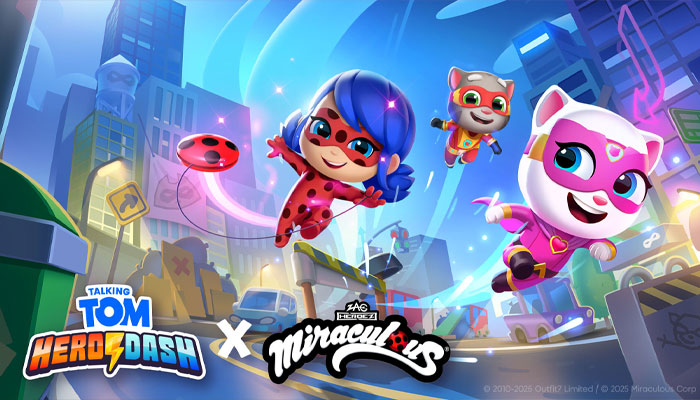
With Miraculous having characters with iconic looks, does that help when it comes to collabs? The fact that you can give the ‘Miraculous’ treatment to other brands and characters through costumes?
The Miraculous gaming IP has a unique advantage in its visual design. Characters like Ladybug and Cat Noir are instantly recognizable due to elements like polka dots, the yoyo, and Cat Noir’s ears, allowing players to identify them quickly without tutorials.
The transformation mechanic is also key for costume collaborations, as it centres on characters switching between their civilian and superhero identities.
When we create Miraculous-themed outfits for characters like Tom or those in Stumble Guys, it feels authentic, as if they have truly become part of the Miraculous universe. These costumes carry narrative significance that players can intuitively appreciate.
How do you ensure both sides of a collaboration like these feel equal or not too heavily weighted in one direction?
My approach is to get the Miraculous creative team embedded early in the process, not at the approval stage. We want to understand the game’s design logic, its art direction, what the players actually engage with – and then bring Miraculous expertise to those specific parameters.
The partner brings the gameplay canvas; we bring the IP depth. When both sides are actively problem-solving together, the output feels native to both worlds. The audience of each IP should be able to look at the collab and recognise something genuinely theirs and not feel like they’re watching an ad for the other brand.
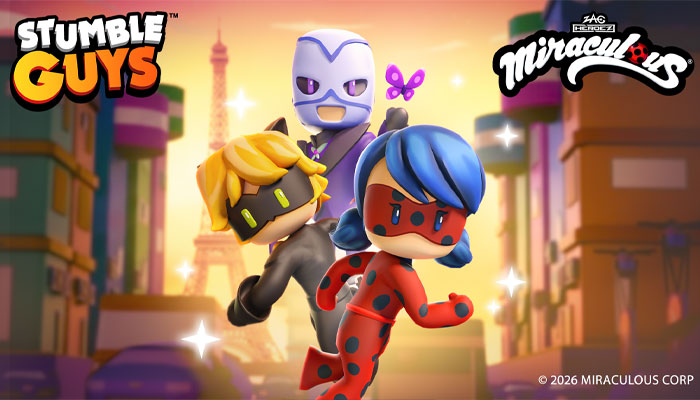
Talking Tom and Stumble Guys have defined worlds and gameplay mechanisms. What was the process like integrating Miraculous into these?
Each collaboration presented its own creative challenge. Talking Tom Hero Dash, an action runner focused on speed and superheroes, integrated Miraculous characters like Ladybug seamlessly, as they fit naturally into the game’s heroic context. The main challenge was ensuring the Miraculous aesthetic aligned with Outfit7’s art style while meeting players’ expectations. Conversely, Talking Angela 2 emphasizes lifestyle and personalization, highlighting the emotional aspects of Miraculous rather than action mechanics.
Stumble Guys posed a different challenge, requiring a visual language that works in a fast-paced multiplayer environment. The Miraculous costumes were suitable due to their bold and recognizable design, but we needed to integrate powers and props naturally into the gameplay.
Both projects reinforced a key lesson: successful integration starts with respecting the host game’s design logic, rather than forcing a concept into an ill-suited framework.
Do these examples also highlight the benefits of being ‘flexible’ as a brand owner?
Yes, in gaming, if you can’t adapt your IP to the visual and mechanical language of the platform you’re entering, you will fail. The creative brief from game developers is real. They need your characters to function inside their art style, their UI, and their animation constraints.
That said, flexibility doesn’t mean abandoning the IP. It means trusting that the core identity of Miraculous, the transformation, the powers, the emotional relationships between characters, is robust enough to survive being rendered in a different art style or adapted into a different gameplay context. We are committed to our core beliefs but open to adapting how we implement them. This is the key difference.
Is the world of gaming an area you’d like to explore further in the future?
We’re not exploring it further, we’re already deep in it! The question for us is about depth and portfolio architecture. The Roblox franchise approaching a billion plays is not an endpoint; it’s a proof of concept that Miraculous can build a genuinely long-term gaming presence.
What I’m focused on now is how we build a gaming portfolio that reflects the breadth of the IP – across platforms, across genres, across age ranges within our audience. There’s meaningful space still to move in on mobile, on console, on newer platforms. We’ve proven the brand works in gaming. The more interesting challenge now is building it strategically rather than opportunistically.
A light touch for the Dark Knight: Simon J. Smith says Batwheels has some of his career-favourite ideas…

“You cannot approach a brand like Kodak or Philips or Electrolux with a generic playbook”: As LMCA turns 40, we catch up with President and CEO Ciarán Coyle.
“The business has only grown because of the people in it – people who care about the work, challenge ideas and take ownership”: In conversation with Jason Knights, MD at Blue Kangaroo.
“Collaborating with incredibly talented artists is such an important part of what we do”: In conversation with Byron Williamson, License & Marketing Manager at Spike Leisurewear.

Kate Schlomann – EVP Business Development and Operations at Spiralcute – on what gives IP like Chiikawa, Mofusand and Koupen Chan licensing potential.

We take an inside look at the launch of the world’s first Bluey rollercoaster with Merlin’s Jonathan Lewis and Beth Clarke, and BBC Studio’s Natasha Spence.

Receive the Brands Untapped Newsletter




Enter your details to receive Brands Untapped updates & news.