—-
To stay in the loop with the latest features, news and interviews from the creative community around licensing, sign up to our weekly newsletter here


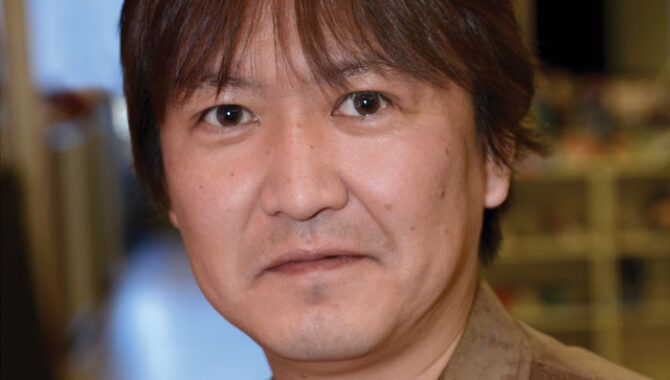
“Sonic’s cool, energetic and irreverent spirit resonates across generations”: In conversation with SEGA’s Takashi Iizuka.
Sonic celebrates its 35th anniversary this year! What is the icon’s origin story?
At the time, SEGA was looking to establish itself in the rapidly evolving console market and Sonic was the perfect vehicle to do just that. Designed to be immediately likable and full of personality, he also served as a technical showcase for the SEGA Genesis, most notably its ability to render the fast, fluid gameplay that would become Sonic’s defining trait. That signature speed set him apart from the competition and helped SEGA carve out a bold and distinctive place in the new console era. This legacy continues to inspire fans and creators around the world 35 years later.
When did SEGA recognise Sonic had ‘brand potential’?
Following the tremendous success of the first two games in the early 90s, it quickly became clear that Sonic was something truly special. SEGA and Sonic had become household names almost overnight, and it was evident that this was so much more than just a video game character. The energy and enthusiasm surrounding Sonic signalled an incredible opportunity to grow the brand well beyond the gaming world and connect with audiences on a much larger scale.
By the end of the 90s, that vision had become a reality. Sonic had successfully expanded beyond the video game industry and firmly planted himself in pop culture, most notably through animated television series that introduced him to an entirely new generation of fans. This expansion into different media allowed audiences who may never have picked up a controller to connect with Sonic and experience his world in exciting new ways. However, maintaining that momentum is by no means easy. We must continue releasing new games each year and strive to remain at the forefront of the industry.
“Sonic benefits from an incredibly passionate and culturally engaged fanbase that has helped keep him relevant and thriving in the digital age.”
As a result, Sonic is now among entertainment’s most powerful transmedia properties. From a blockbuster film franchise that has generated over a billion dollars at the box office, to hit shows on Paramount+ and Netflix, the brand continues to reach new heights. Add to that over $1 billion in annual retail revenue driven by toys, apparel, and merchandise, and what began as a video game character in 1991 has grown into a truly remarkable global phenomenon.
Not all popular video game characters go on to thrive in consumer products. Why do you feel Sonic has gone on to do well in products, TV and movies?
We believe Sonic’s enduring success across multiple media comes down to a few key factors. At the heart of it is his personality-driven identity, which has always been bigger than any single game or story.
Sonic’s cool, energetic and irreverent spirit resonates across generations, giving him a broad demographic appeal that stretches from young children discovering him for the first time – to teenagers and adults who grew up with him and have never let go. That kind of cross-generational connection is rare, and we never take it for granted.
Beyond the character himself, Sonic benefits from an incredibly passionate and culturally engaged fanbase that has helped keep him relevant and thriving in the digital age. His presence online is enormous, and that organic energy and enthusiasm from fans around the world continue to introduce Sonic to new audiences every day.
Equally important is SEGA’s willingness to be bold and experiment with the franchise, whether that means exploring new storytelling formats, collaborating with creative partners, or taking Sonic in exciting new directions in film and television. That openness to innovation – combined with Sonic’s universal appeal and strong brand recognition – has enabled him not just to survive but to thrive as a transmedia property for over 35 years.
Does Sonic resonate in Japan in different ways to audiences elsewhere?
Unfortunately, Sonic didn’t become an instant hit in Japan the way he did in the West. One major factor was the market share of the Mega Drive, the platform on which Sonic debuted. While the Mega Drive experienced a surge in popularity in the West the year Sonic debuted, that boom never materialized in Japan. Although Sonic’s fanbase expanded in Japan with the subsequent Sonic Adventure series, it still hasn’t reached the level of popularity seen in the West. We are currently working to expand the fanbase by distributing CG animations like Sonic & Friends featuring an adorable style tailored for Japan and Asia through social media.
Outside of Sonic himself, which character from the brand most resonates with consumers?
Shadow the Hedgehog – and as the original creator of Shadow, this character holds a particularly special place in my heart! It has been incredibly rewarding to watch him grow into the cultural force he is today. Shadow is a fascinating and complex character whose dark, brooding personality and rich backstory provide a compelling contrast to Sonic’s upbeat and carefree nature. That depth and emotional complexity strike a real chord with fans, particularly older audiences who are drawn to more nuanced storytelling.

Royal Armouries’ Senior Licensing and Partnerships Manager Jack Wanstall on the past’s future deals.

Stephanie Milton, Publishing Director for Bonnier Books UK’s Studio Press imprint, on why licensed titles have an advantage at retail…

The team at Juiced talk briefs, client relationships – and working on Sonic.

From Todd Snyder to tonies: Katie Huber – Senior Director of Licensing at Fred Rogers Productions – discusses new partnerships.

“How can we evolve style guides?”: Stacey Bates-McCue, Licensing Director at Fluid, on innovation, fandom – and PAC-MAN!

“The look, the design, the audience, the messaging… It all appealed”: Nico Blauw reveals what made Pembe the Pink Cat a winner for BOTI.

Receive the Brands Untapped Newsletter










Enter your details to receive Brands Untapped updates & news.