—-
To stay in the loop with the latest features, news and interviews from the creative community around licensing, sign up to our weekly newsletter here


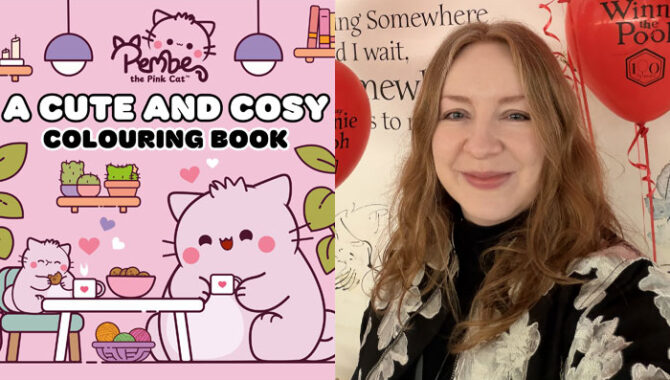
Stephanie Milton, Publishing Director for Bonnier Books UK’s Studio Press imprint, on why licensed titles have an advantage at retail…
Stephanie, our last Brands Untapped chat was at the end of 2024. How was 2025 for Bonnier Books generally and Studio Press?
2025 was a strong year for Studio. We launched the first titles in our Disney Cute and Cosy Colouring Book series, both of which have earned Sunday Times Bestseller status. We also published the Disney romantasy novel Wings of Starlight by Allison Saft, which saw strong sales right out of the gate and a wonderful community/fan moment.
Our search and find programme has sold over one million copies, and in 2025, we released seasonal special editions of Where’s Stitch to celebrate Easter, Halloween and Christmas. We also saw strong sales for our Ultimate Football Heroes yearbook title. We’re focused on authenticity, playfulness and a fan-first approach and it’s working very well across the list.
Let’s dig into that fan-first approach. How do you keep informed about what brands, themes and trends are at the core of pop culture?
Social media continues to be a great source of information for us, as well as word of mouth, but ultimately, nothing beats immersing yourself in pop culture directly. Fortunately, my team is incredibly good at this, and we have some hardcore fans in our midst. We then combine what we’ve learned with an assessment of trending formats to create our publishing programmes.
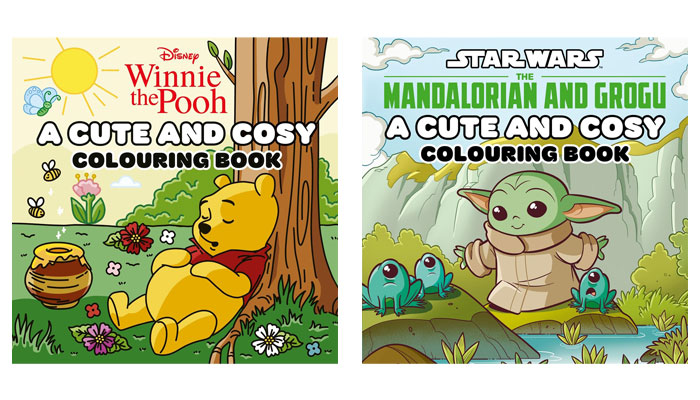
You mentioned the success of your Disney Cute Colouring books. What do you put its success down to?
Cute colouring appeals to all ages which is helpful, but for adults, it offers comfort, an opportunity to take a mindful moment and encourages you to create something simply for the sake of being creative. The ‘cosy’ aesthetic is absolutely everywhere, so the concept is very on trend.
We can also see an incredible online community forming around cute and cosy colouring, with fans sharing their creations to inspire each other. The Disney aesthetic lends itself perfectly to this format as the art is already very cute, and it brings an element of nostalgia that works really well in terms of the comfort angle.
“The ‘cosy’ aesthetic is absolutely everywhere.”
Recently you added Pembe the Pink Cat to your cute colouring list. What appealed to you about Pembe – and how does the brand suit cute colouring?
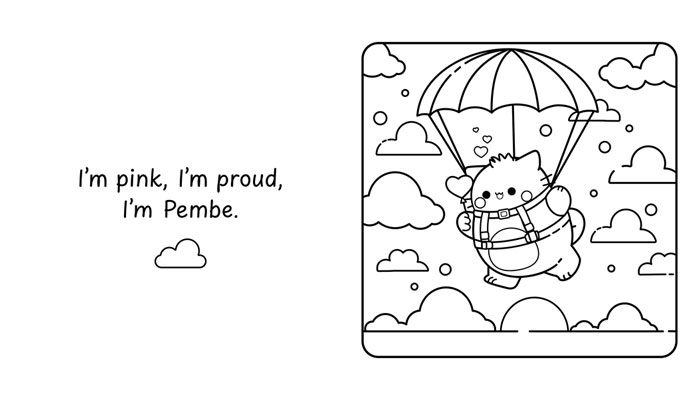
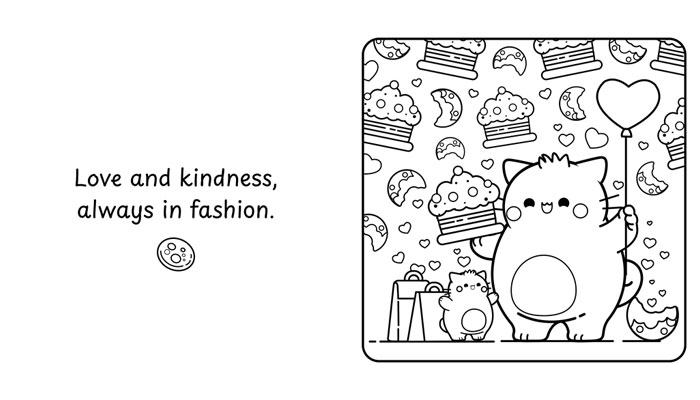
Pembe and Cute and Cosy Colouring is a perfect match of character and format. We were drawn to Pembe immediately because of their kawaii aesthetic, and learning about their philosophy – they encourage joy, kindness and self-expression – sealed the deal.
The ‘Be you’ tagline is something that’s going to resonate with a lot of people. The colouring book combines cute visuals with emotional messaging to create the ultimate comforting colouring experience.
Pembe the Pink Cat’s creator, Sertan Christoffersen, was heavily involved in the book development. What was it like working so directly with the character’s creator – and how did this help shape the book?
It’s rare to be able to work directly with the creator of a licensed character and the Studio team really valued being able to jump on a call with Sertan, who explained what Pembe stood for and really set the tone for the creative process. Collaborating with Sertan directly simplified everything – feedback was clear and timely and I think the resulting product speaks for itself.
Pembe the Pink Cat is a character brand that has a lot of artwork, poses and illustrations associated with it. How important is it for a publisher to have access to this kind of artwork? And what makes a good style guide?
A style guide is incredibly useful for both the licensee and the licensor. It’s a fantastic creative resource for the licensee, but the best style guides also act as ‘playbooks’ which help the licensee create books that are authentic to the brand.
It benefits the licensor as well, as it allows them to outline any priorities and share key guidelines in order to preserve the integrity of the brand. A good style guide should make the creative process simpler for both sides, while also inspiring creativity.
How are licensed titles performing in the market at the moment?
The book market is saturated, but in one sense this gives licensed titles something of an advantage. If customers are presented with multiple options, they tend to gravitate towards brands they know and recognise… We call it ‘the trusted brand effect’. It means customers choose a brand because they trust what they’ll get will be right for them.
We’re seeing strong sales across many key characters, like Winnie the Pooh and Stitch, because of this. You’re more likely to get a recognised brand into a non-traditional outlet because of this.
Has the rise of platforms like BookTok changed how Bonnier promotes books to consumers?
Our marketing team feel that TikTok is a great tool to reach fans who are actively looking for new books to read, particularly in the romantasy and YA spaces. The users we tend to see on BookTok and that broadly Gen Z demographic are very ad savvy. They value authenticity and community online, so we largely try to spark awareness and conversation through trusted BookTokkers via creator collabs.
When we post ourselves, we aim to create content that mirrors the trends and formats that fans converse in, giving at-a-glance insights into books and using trope terminology quickly convey what the books are about.
What advice would you give rights owners and licensing agents thinking about approaching Studio Press with their IP?
A clear brand philosophy is essential. If a licensor can articulate what their brand represents, then that’s half the battle. We also need to understand who the audience is, how engaged they are, and what the rights holder imagines the publishing opportunity to be.
It’s also helpful to understand their ambitions for the brand over the next few years, as we’re always looking for long-term collaboration opportunities and ways in which we can help a brand reach its goals. And, of course, it’s great to know what other product is launching and if there are any big movie, TV or game releases – that give us a ‘moment’ to work with.
What lessons have you learnt in your time working on licensed books that you refer to in your day-to-day work still?
Communication is key and a good relationship starts with understanding the licensor’s goals – as well as understanding why the fans love the brand – so you can deliver products that give them what they’re looking for, whilst staying true to the brand’s identity.
“If a licensor can articulate what their brand represents, then that’s half the battle.”
It’s essential that you’re able to take on board feedback and build trust with a licensor – and being agile is also important… Things change constantly, both in terms of brand activity and wider trends, and you need to be able to react quickly and change direction if necessary.
Finally – and it may be a slightly unfair question as there are so many great bookshops – but could you recommend a couple of bookshops you like to spend time in?
I’m a huge fan of what Main Character Books are doing – with romantasy dominating the fiction space and a renewed focus on reading for pleasure, it was such a well-timed move. They’ve created a wonderful community atmosphere and a really fun, welcoming and supportive space.
I also wish I still lived up north so I could visit Wonderland Bookshop in person – they’ve created an incredible customer experience with their whimsical decor and I am utterly charmed by the space and their ethos.
Lovely picks! Thanks again Stephanie.

Royal Armouries’ Senior Licensing and Partnerships Manager Jack Wanstall on the past’s future deals.
The team at Juiced talk briefs, client relationships – and working on Sonic.

From Todd Snyder to tonies: Katie Huber – Senior Director of Licensing at Fred Rogers Productions – discusses new partnerships.
“How can we evolve style guides?”: Stacey Bates-McCue, Licensing Director at Fluid, on innovation, fandom – and PAC-MAN!

“The look, the design, the audience, the messaging… It all appealed”: Nico Blauw reveals what made Pembe the Pink Cat a winner for BOTI.
Start Licensing’s Ian Downes discusses industry twists and turns with three of his former colleagues from Copyright Promotions – Simon Gresswell, Andrew Levy and Daniel Avener.

Receive the Brands Untapped Newsletter

Enter your details to receive Brands Untapped updates & news.