—-
To stay in the loop with the latest features, news and interviews from the creative community around licensing, sign up to our weekly newsletter here


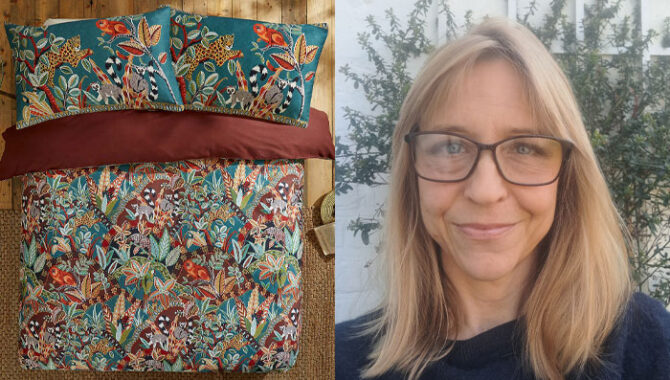
Gemma Woodward discusses style guides, heritage highlights and her pick for an untapped brand filled with licensing potential.
Gemma, you’ve previously worked at The Natural History Museum and The Science Museum. Why is heritage licensing much more on the licensing radar these days?
Licensing and spending patterns don’t happen in isolation: there’s been so much radical, accelerated change in recent history and this is often accompanied by uncertainty and anxiety. Against this backdrop – and at their very core – heritage brands offer stability with meaning: their values resonate and their history signals durability. Both of which provides comfort.
As a driver of consumer spending, Gen Z is drawn to brands and product they can trust – alongside design, emotional depth and longevity – to accompany fast trend offerings. Platforms like Instagram and TikTok reward the impactful aesthetics, effortless taste and cultural literacy that is innate in heritage… And Kidult psychology also approves of industrial heritage, with enthusiasts and aficionados passionate about their subject matter.
These cultural shifts have helped to support commercially successful heritage licensing programmes and this has not gone unnoticed by the naturally cautious cultural institutes themselves. Gatekeepers of museum and gallery content have grown more confident in sharing their IP ‘crown jewels’. They’ve seen the benefits of audience reach and brand exposure, alongside being reassured by the execution of the programmes.
With ever diminishing funding, museums and galleries also can’t easily ignore the significant revenue streams that heritage licensing can offer.
Great answer. And thinking about retail buyers, what benefits do you think heritage brands can bring them? How should they “buy” heritage?
Buyers benefit from any brand’s audience reach, but with heritage, the retailer can align itself with the brand’s trustworthiness, authority and sincerity. As a counterpoint to fast-trend labels, heritage brands strategically offer less perceived risk to the buyer, but still provide a strong emotional pull to the consumer.
There’s also opportunity for retail to communicate and participate in a subject matter that’s rich in content. Then, from a commercial perspective, heritage brands can command a higher price point – legacy comes at a premium – while also providing consumer loyalty – purchase helps to preserve the brand… Both of which is obviously attractive.
To fully exploit these benefits, retailers would be wise to get properly behind their heritage brand. Long term collaborations, collections or exclusives are the ideal mechanism, as heritage brands have multiple facets, sub-topics and collections within them. Storytelling is at the heart of heritage, so the more brand curation, engagement and commitment given to telling these stories, the richer the consumer experience and retail offering.
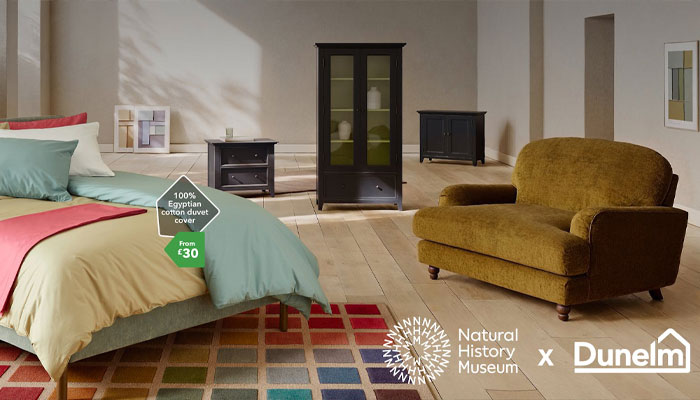
The NHM X Dunelm collaboration has been a wonderful example of this – the longevity has enabled seasonal updates and the opportunity to showcase the NHM’s varied portfolio. If the retailer gets fully behind the legacy that they’re buying into, as a living asset with relevance today, it allows the heritage brand to really shine.
What advice would you give to a museum, gallery or archive that’s considering entering the licensing market?
Preparation and due diligence are everything: check you have IP, asset and content ownership and get relevant product categories trademarked. Be clear on who you are and what you stand for and fully embrace this. What’s your brand USP and who are your competitors? Similarly, who’s your target audience? Know your visitor demographics and don’t be shy asking visitors directly about their favourite exhibits, or your retail and e-commerce departments about their best sellers.
Befriend licensing departments at other cultural institutes – heritage is a small world and there’s strength in numbers, especially when exhibiting at trade shows or attending industry events. Finally, make sure other departments have a loose understanding of how brand licensing works. For example, NPD time must be factored in, between contractual signature and product launch – details that are obvious to us can come as a shock to others!
How important is an effective style guide and design assets to a heritage licensing programme?
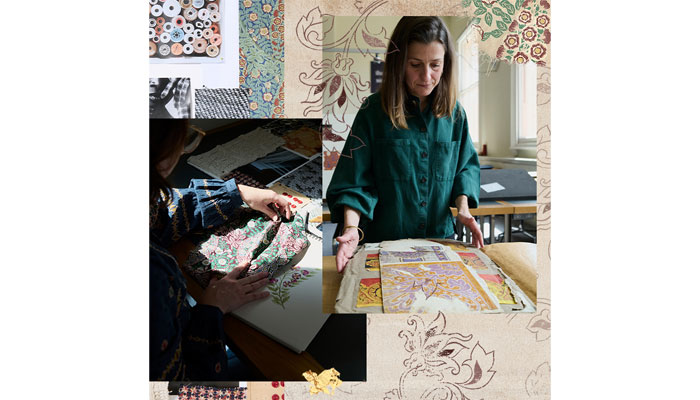
It’s important for any brand, but it’s essential for heritage. Cultural Institutions look inward – visitor experience and numbers – but brand licensing is outward facing: there’s no captive audience or leaving “via the gift shop”. Your only means to compete on shelf, in a crowded marketplace, is through impactful designs and a strong style guide. And don’t assume that all nationwide shoppers will have set foot in your building or engaged with your collections before: your licensed product might be their first brand touch point, so your style guide must convey your identity and quickly.
Product packaging will position heritage at a premium, but a good style guide will deliver all of the above, while unifying your assets into one coherent voice. It’s essential to retain your brand voice with clear boundaries and guidelines, but so is ensuring relevance through asset flexibility. Your content and style guide should showcase different aspects of your brand which, in turn, provides opportunity for new product categories, alignment with different partners and greater brand depth, overall. I think V&A X FatFace demonstrated just how well this can work with the V&A’s archive connecting with a relaxed, surf-inspired retail brand.
What tips would you give heritage brand owners about the design aspect of licensing? How can they make sure their assets are on trend?
Attend trade fairs, trend seminars and pay close attention to products, trends and culture around you. Similarly, familiarise yourself with your collections and foster strong working relationships with your archivists, curators and library staff: their good favour and expertise is invaluable. Bear in mind, not every collection or asset is commercially viable, so be objective and strict with your own “commercial collections”. Successful heritage licensing frequently adapts assets, rather than just reproducing them – so updating colourways and simplifying complex artwork to be more impactful are easy wins: ideally, you want a design-ready pack for licensees.
Work with talented and experienced design agencies – the resulting body of work is coherent and invaluable, when you’ve limited time to pitch. However, don’t panic if your budget doesn’t allow – it’s often the actual treatment of the collection that makes it on trend. All that said, though, licensees and retailers are the experts in their field, so take their lead. Some of my most enjoyable pitches have been when I’ve been able to take potential partners behind-the-scenes and showcase assets in archives, libraries and specimen storage areas: assets that have sparked inspiration are not always the most expected.
Looking at the heritage market in particular, can you highlight a couple of licensing deals that you have seen recently that think represent “best practice” in the sector?
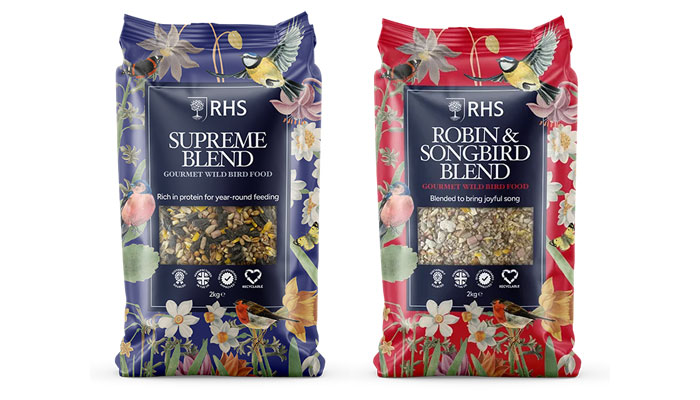
RHS and Harvest Wildlife Products‘ partnership for wild bird food is a natural fit, so this deal feels led by principals, not just commerce. Harvest Wildlife, themselves, have quite the legacy, so the partnership is both high quality and considered. I think the detailing of responsibly sourced, seasonal ingredients and species-specific food is a wonderful USP and I love that this is a repeat purchase product, which moves RHS heritage licensing into a different area.
Meanwhile, Next has long been a champion of heritage brands, but it now feels like this is a major part of their ongoing strategy: Spring26 brings National Trust women’s apparel, with Morris & Co men, women and children’s fashion lined up for summer. Deals of this scale bring both brands to a much broader, mainstream audience, but careful selection of the collections used will maintain their premium positioning. Collaborating with Next allows The National Trust to emphatically move beyond being seen as purely a heritage body and Morris & Co expand from their historical homeware and interior category, into contemporary fashion.
Beyond the UK market, can you highlight a heritage brand that’s doing a good job?
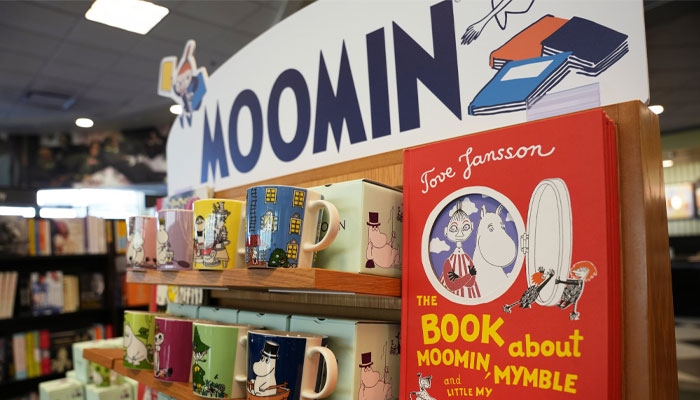
Rights & Brands take their guardianship of the cultural legacy that is Moomin very seriously and it shows in their careful partner selection. Their collaboration with Swedish Magniberg, bringing Tove Jansson’s classic illustrations to a modern context of loungewear, hoodies and denim was brilliant. The premium positioning and sympathetic content use elevated Moomin into adult and design-led lifestyle, but without alienating the brand’s appeal to children.
Territory-wise, Moomin had some prior presence in the US, but they used their 80th anniversary to great effect, last year. Their co-ordinated push with retail, publishing, cafes and experiential products will all have steadily raised Moomin’s brand profile in a major market, which is a huge achievement. Anniversaries aside however, I love their usual restraint and long term, scarcity-led model, so that markets aren’t flooded with product and the brand keeps its allure.
Outside of heritage, which licensed brand has caught your eye recently as “one to watch”?
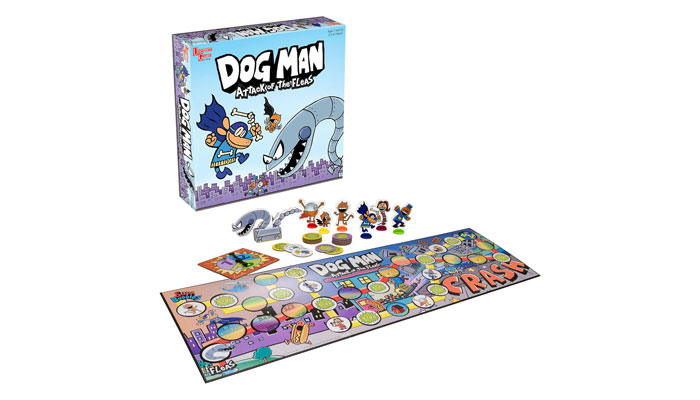
I’ve got my eye on Dog Man and am sure it’s set to be huge. The film was well received, there’s direct fan engagement with this summer’s musical and Joester Loria Group and Rocket Licensing UK’s licensees are stacking up nicely with Bioworld, Danilo, Jakks Pacific and University Games. Obviously, the books themselves are ridiculously popular worldwide and have been for the last decade or so; I think there’s every reason to suggest that Dog Man will be a more contemporary addition to the literary portfolio of brands such as the Gruffalo, Paddington Bear and Peter Rabbit.
Where do you think IP owners should be prospecting for new business at the moment?
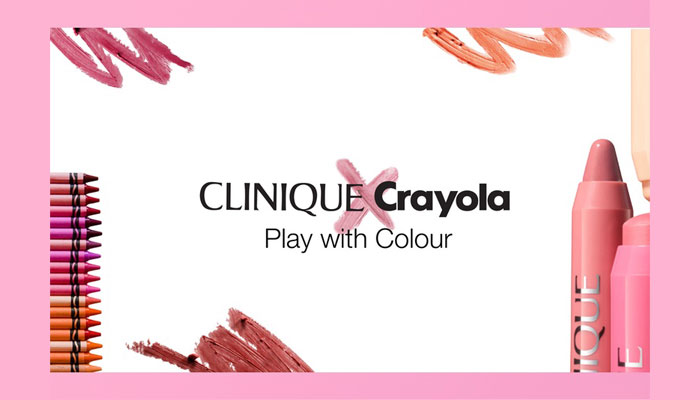
The clean consumption ethic has firmly moved into mainstream food & beverage and continues to grow rapidly: functional mushroom drinks, Candy Kittens’ “no nasties”, Pip & Nut “real nut butter done properly”. There could easily be some intelligent and careful partnerships that would add to the fun and storytelling. Similarly, Wild’s natural, sustainable deodorants are something of a revolution and licensing’s clearly part of their future planning. I loved Clinique x Crayola’s recent revisiting of their previous collaboration – does this open the door for more opportunities in cosmetics and beauty?
Finally, if you had a magic wand and could represent one heritage brand that’s untapped at the moment, what brand would it be?
I love pottery, so it would be Clarice Cliff. Cliff was an icon in her own right – an inspirational working-class woman, who left school early and learnt about pottery through hands-on training. As if her entry in a male dominated industry wasn’t pioneering enough, she was a design rebel: her bold, colourful, art deco “bizarre” ware completely disrupted the muted, conservative ceramics of the time. So, you’ve got a strong British brand with human storytelling and absolutely iconic designs. On a professional note, Cliff’s work is an early example of a designer-led consumer brand, which I love – and it also makes her brand both premium and accessible.
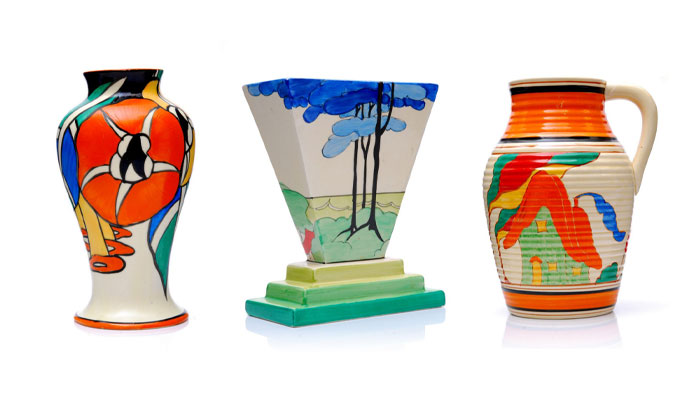
Commercially, there’d be a massive archive of impactful designs which translate seamlessly into multiple categories, but this strong and timeless visual identity is also made for social media and licensing longevity. Cliff’s work has cross generational appeal – from collectors to younger design-conscious consumers – as well as global recognition, which has already been established. Finally, I’d also use that magic wand to go back in time, so that brand activation was ready for her upcoming “bizarre” ware centenary.

Royal Armouries’ Senior Licensing and Partnerships Manager Jack Wanstall on the past’s future deals.
Stephanie Milton, Publishing Director for Bonnier Books UK’s Studio Press imprint, on why licensed titles have an advantage at retail…
The team at Juiced talk briefs, client relationships – and working on Sonic.

From Todd Snyder to tonies: Katie Huber – Senior Director of Licensing at Fred Rogers Productions – discusses new partnerships.
“How can we evolve style guides?”: Stacey Bates-McCue, Licensing Director at Fluid, on innovation, fandom – and PAC-MAN!
“The look, the design, the audience, the messaging… It all appealed”: Nico Blauw reveals what made Pembe the Pink Cat a winner for BOTI.

Receive the Brands Untapped Newsletter

Enter your details to receive Brands Untapped updates & news.