—-
To stay in the loop with the latest features, news and interviews from the creative community around licensing, sign up to our weekly newsletter here


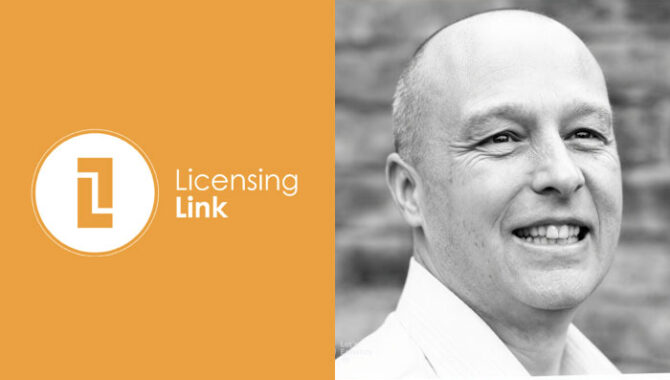
“With PEZ, we’re building towards the brand’s 100th anniversary in 2027”: Licensing Link’s Chris Taday on recent highlights – and what’s next!
Chris, we’ve finally tied you down for a Brands Untapped interview! And without resorting to blackmail!
Ha! Yes, we have been talking about this for a while – it is remarkable how quickly time passes!
Let’s start at the beginning – what set you on the path into licensing? Was it always on the cards?
Like many people in this industry, I didn’t set out to go into licensing. I fell into it really. My background was quite different. After university, I started training to become an accountant, but that was not to be my vocation. Following on from this, I worked on a charity football project – a tour across the country working with some of the biggest clubs, including Man United.
When that came to an end, I approached a recruitment consultant called Sutton Gibbs – a name very familiar to a certain generation of licensing people. They had a role at a company called EC Licensing, which held the rights to the World Wrestling Federation – now, of course, WWE – and Mighty Morphine Power Rangers. That was my entry point. I started working in their Pinewood office, which was a unique experience. Working at Pinewood Studios opened many doors and eventually led me to work with Gerry Anderson on one of his projects, before moving on to work with 20th Century Fox and other film studios.
So no, it wasn’t on the cards at all, but I wouldn’t change a thing.
You’re co-founder of the licensing agency Licensing Link Europe. Tell me about your portfolio.
Yes, I’m a co-founder and director of Licensing Link Europe alongside Ian Wickham. It’s an agency with a genuinely broad and diverse portfolio of properties. Over the past few years, we’ve also had the privilege of developing licensing programmes for some great brands, including Pantone, the Van Gogh Museum, and Robot Wars.
Currently, we are representing Royal Museums Greenwich, PEZ, Winx Club, Henry Fraser Art, Haynes Publishing, Marie Curie, Sam & Julia and The Economist. It’s a portfolio we’re incredibly proud of – eclectic, yes, but each brand has a real story to tell and to build a genuine connection with its audience. That, for us, is the common thread.
You mention it’s an eclectic portfolio – so what makes a brand attractive to Licensing Link? Is there any attribute or trait that unites the brands you represent?
That’s a great question, and the honest answer is that we look for brands that are not trying to compete in an already crowded market or against each other in the portfolio. We look for brands that occupy their own space and, crucially, have a genuine story to tell.
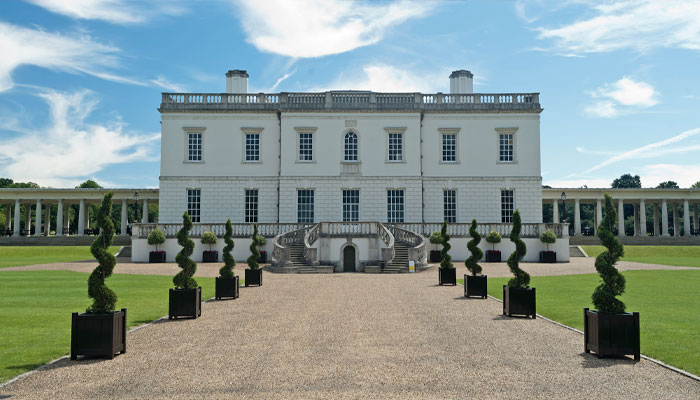
That storytelling element is central to what we do. Take the Royal Museums Greenwich… There are narratives woven into that institution around maritime history, space and time. Or PEZ, which is celebrating its 100th anniversary in 2027. That kind of heritage and nostalgia is incredibly powerful. Even Winx Club, which younger people might think of as a contemporary brand, is steeped in over 20 years of history and has a deeply loyal global fanbase.
When we look at a brand, we ask: Does it resonate? Is there something authentic at the heart of it? If the answer is yes, there’s usually a compelling licensing story to build.
Great answer. Now, Licensing Link has achieved some award-winning work in the cultural and arts space over the years. What makes that an exciting space for licensing, and what have been some highlights?
We are genuinely very proud of the recognition we have received. At the Brand & Licensing Awards, we have secured numerous nominations over the years and won awards for our work on the Van Gogh Museum licensing programme. These include wins with CARIUMA, Floral Street, and Blueprint Collections – as well as achieving overall brand recognition, making it the first international institution to win in that category. And this year, we are proud to have secured our first nomination with Royal Museums Greenwich x LOVE & ROSES, which feels like a real milestone.
“Heritage is a space that rewards creativity, and we have been very lucky to work with partners who have truly embraced that.”
As for what makes the cultural and heritage space so exciting, there’s something almost intangible about it. These institutions carry centuries of creativity, discovery and emotion. When a licensee taps into that authentically, the product becomes more than just a product. It carries meaning. There’s a depth and provenance to it that consumers genuinely connect with – and that resonates in a way that is very difficult to manufacture from scratch.
Working with heritage institutions, licensees have access to extraordinary archives and visual assets that are both timeless and entirely fresh. It’s a space that rewards creativity, and we have been very lucky to work with partners who have truly embraced that.
What are some key means of convincing licensees or retailers of the potential of brands in your portfolio? Without going into Bond villian territory, what can be persuasive?
Storytelling, without a doubt. Retailers and licensees respond to a clear, compelling narrative – not just “Here’s a logo” but “Here’s who this institution is, who its audience is, and why a product rooted in this IP will resonate on the shelf”. Data helps, of course, with audience size, engagement and social presence, but it’s the story that gets people excited in the room.
Beyond that, I’d say it is about demonstrating fit. We work hard to understand what retailers and licensees are looking for and then show them where a brand in our portfolio can add something distinctive. Nobody wants to be pushed into a deal – they want to feel that the opportunity has been thought through for them.
And finally, consistency matters enormously. Trust is built over time, and when licensees and retailers know that the licensor and we will be there to support the programme with assets, PR, and marketing conversations, they are far more likely to lean in. So, if I’m being a Bond villain about it, the art is in making it feel inevitable!
For any licensees reading, what are some immediate exciting opportunities across your portfolio? And what sectors are you looking to help them thrive in?
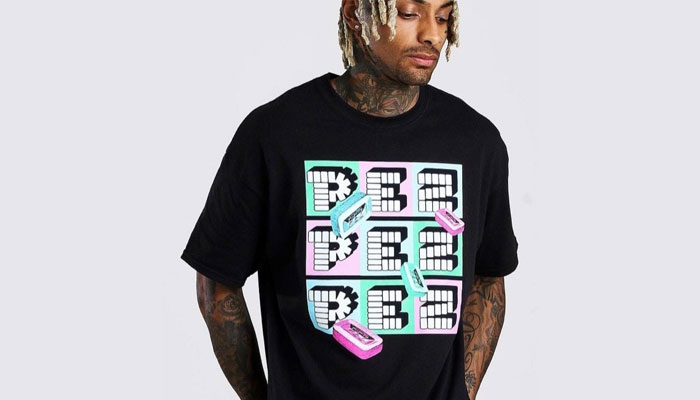
There are several exciting windows right now. With PEZ, we’re building towards the brand’s 100th anniversary in 2027. The brand was founded in Vienna in 1927 and has built-in nostalgia and collectability. The centenary is a genuine milestone, and we are seeking partners across gift, collectables, apparel and homewares who want to be part of something special.
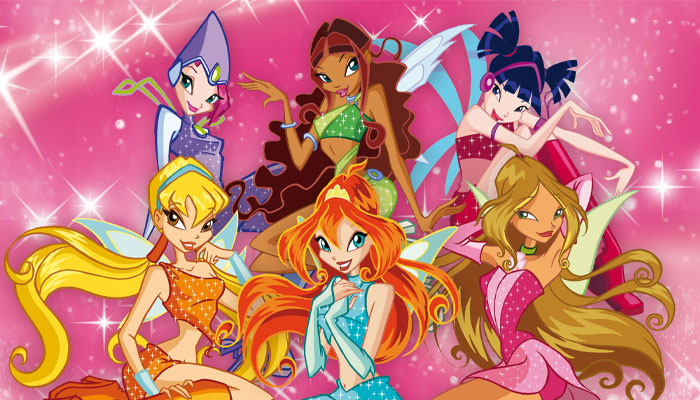
With Winx Club, the timing couldn’t be better. The brand relaunched with a new CGI-animated reboot, Winx Club: The Magic Is Back, on CBBC and Netflix last year, with a new season later this year. The franchise has generated billions of views on YouTube and TikTok. It is a brand with an enormous, deeply passionate global fanbase, and the new series creates a fantastic platform for licensees across toys, fashion, accessories, and stationery.
And at Royal Museums Greenwich, our current focus is the National Maritime Museum. Over the next few years, the emphasis will be on sustainability – particularly regarding the oceans – a commitment already reflected in their support for World Oceans Day and the newly opened Ocean Court. RMG recognises that environmental protection is one of the most important issues facing us today. For licensees with a sustainability focus, this is a genuinely compelling and timely opportunity.
Terrific. And is there a brand in your portfolio that perhaps ‘flies under the radar’ a little but that you feel is ripe with product potential?
Honestly, every brand in the portfolio has a clear focus and lane, and that is deliberate – we are not looking for brands that compete. But I would say each has untapped potential we are continuing to develop. Winx Club, for instance, is increasingly resonating with an older audience. The original fanbase has grown up, and there’s a real opportunity in that older demographic for a more sophisticated product.
Equally, Sam & Julia sit beautifully at the younger end of the market; it’s a brand with tremendous warmth and storytelling at its heart, and we think it has significant room to grow in the early years space. So rather than one brand flying under the radar, I would say each has a chapter yet to be fully written.
Nicely put! And what helps you have ideas? What fuels your creativity?
Honestly? A combination of things. Reading widely is essential for staying across what is happening beyond our own industry, which gives you a different frame of reference. Talking to people is just as important as a constant dialogue with licensees, retail buyers, and brand owners. Because you learn something new every time.
I pay close attention to what retailers are doing, both here and in international markets. Social media is a constant source of signals about what audiences care about and what is resonating culturally. And listening – really listening – to what licensees need and the challenges they are trying to solve. The best ideas often come not from sitting down to think creatively, but from paying close enough attention to what’s already happening around you.
And finally, since the beginning of your licensing journey, what changes have you seen in the industry, and what do you see in the future?
Looking back on what has been a long and fascinating journey, the industry has changed enormously, in ways I certainly could not have predicted when I first walked into that Pinewood office.
The professionalisation of licensing has been one of the most significant shifts. The discipline is taken far more seriously today by brands, retailers, and investors, and that has raised the bar for everyone working in the space, which can only be a good thing.
The retail landscape, particularly here in the UK, has been transformed. The rise of discount channels, such as Home Bargains, Primark, and B&M, has created both opportunities and challenges for licensing, opening up access to enormous footfall.
“We look for brands that occupy their own space and, crucially, have a genuine story to tell.”
At the same time, the explosion of digital and social media has fundamentally changed how consumers discover and connect with brands, and how we, as an industry, communicate the value of the IPs we work with.
As it has been written about a lot these days, the importance of the adult consumer in what was traditionally considered the toy and children’s market. That shift has opened entirely new product categories and conversations that simply did not exist when I started out.
And with entertainment brands, it was once all about the broadcast platform. If you had a primetime slot, you had an audience, and the licensing programme followed. Now, broadcast is just one part of a much more complex mix. Streaming, YouTube, TikTok, Roblox — the ways in which audiences engage with entertainment IP have multiplied beyond recognition.
And yet, for all that change, the fundamentals remain the same: great brands, great stories and great partnerships. That’s what it has always come down to, and about connections with people – licensing has always been a connection industry, hence the importance of trade shows, licensing events, and here in the UK, the various awards.
Chris, a big thanks again! Let’s do it again soon!

“The look, the design, the audience, the messaging… It all appealed”: Nico Blauw reveals what made Pembe the Pink Cat a winner for BOTI.
Start Licensing’s Ian Downes discusses industry twists and turns with three of his former colleagues from Copyright Promotions – Simon Gresswell, Andrew Levy and Daniel Avener.
Jack Fox, Sales & Marketing Director at Rubber Road, talks TUBBZ Mystery Eggs – and why Minions were a perfect fit.
Spin Master Co-Founder Ronnen Harary talks to us about his exciting new book, working with inventors – and Spin’s most underrated launch.

How Speed Arena: Race in a Case became an instant hit: in conversation with Carrera Revell’s Frank Tiessen.
“I guess I never really grew out of it…” Barry Eldridge onwhat makes a license right for Factory Entertainment.

Receive the Brands Untapped Newsletter

Enter your details to receive Brands Untapped updates & news.