—-
To stay in the loop with the latest features, news and interviews from the creative community around licensing, sign up to our weekly newsletter here


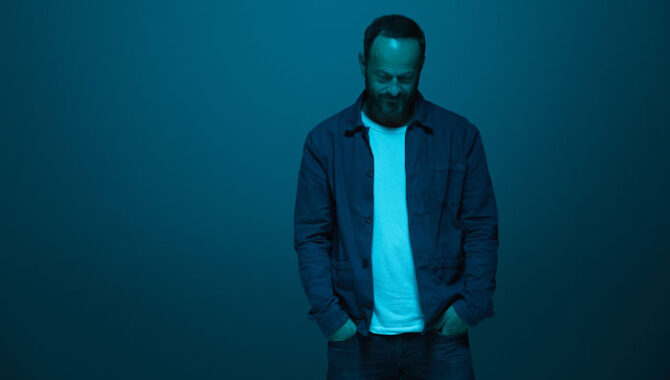
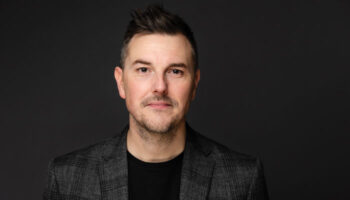
“It’s good to challenge clients sometimes”: James Glover, Founder & Creative Director at Fluid, reflects on the studio’s 30th anniversary.
James, it’s great to connect. This month sees Fluid celebrate its 30th anniversary. Can you talk me through the agency’s origin story?
Well, years ago I went down to the big smoke and did freelance work for a couple of years. It was okay – mainly corporate brand work, which wasn’t my passion.
And what was your passion back then James?
Music. There were all these cool design agencies back then – Designers Republic, ATTIK, Neville Brody – and I loved that scene. So in 1993 I moved back home to the Midlands and thought: ‘I’m just going to do it’. I rented an office, got my Mac, got the Yellow Pages out and that was it!
Wow! And doing creative for the music industry was the plan?
Yes, I targeted music and I started local. I phoned up all the local record labels and management companies and we got in with several companies. One was Revolver Records and we did some reissue work for The Stone Roses which was cool. Then we started to do work for Network Records, a dance label who were quite big at the time. We start doing work with a band called The Sandkings. Then the guy from The Sandkings started another band called Babylon Zoo – they had a big hit with ‘Spaceman. That got us in with EMI Records, and that led to working with Island Records and Warner Brothers and suddenly we were in with the majors. So the budgets were a lot stronger, which was great.
One big moment early on was a pitch for a band called Electronic – a group formed by Bernard Sumner of New Order and Johnny Marr of the Smiths. For that we were pitching against Peter Saville – a design hero! He’d been doing work for Joy Division and New Order and I thought: ‘there’s no way we’re going to win a pitch against Bernard Sumner’s best mate!’ But we did – it was amazing! Off the back of that we had an article in NME magazine about us, and that sparked our launch into gaming.
Ah, so you were spotted?
Yes, a company called U.S. Gold, based in Birmingham, had this game called Johnny Bazookatone – which was centred around this pop star from outer space. They approached us to pitch for the branding and marketing material for it. We did and we won that, but before there I hadn’t though about gaming much because I’m not a huge gamer.
But gaming has become a key part of the business.
Absolutely. From there, I started knocking on the doors of PlayStation, EA – all of them. We got straight in with PlayStation in 1997. Our first big job for them was Final Fantasy VII, but we’ve also worked on PS1 branding, PS2 branding, PS3 branding… We did some stuff around the David Lynch adverts for PS2. We did anything and everything.
“There are a lot of similarities between branding work and working on style guides, so it felt like a very natural thing to start doing.”
Was it a straightforward jump from music into video games?
It’s all about good design at the end of the day, isn’t it? But one of our first hires was a guy called Mark Harris, who had CG skills. And back then, not many people were doing CG at design agencies. That was a big difference between the music campaigns and the gaming campaigns – in gaming we were utilizing more CG. So Mark’s skillset was hugely useful when moving into this space.
How did you then go about ingraining Fluid into the world of video games?
It was about showing up! I’d go to London three days a week and squeeze five or six meetings into a day. PlayStation was a small team back then, so I’d meet with them to collect one brief and walk out with five! That was the way it was, and those relationships are still there some 25 years later. We did some packaging work for Xbox back in the mid-2000s, and our contact there is now at Ravensburger working on Disney Lorcana, so we’re working with him now on that. It’s all about connections, especially because there’s hundreds of agencies around today.
And when did the licensing part of the business kick in, with style guides and work like that?
There are a lot of similarities between branding work and working on style guides, so it felt like a very natural thing to start doing. The first project we got for that actually came from Stacey Bates-McCue, who is now Creative Director for our licensing division.
Ah, so this is back when Stacey was at SEGA?
Yes, we did a lot of work for them at the time. Stacey approached us in 2015 wanting a retro style guide, so we worked with her on that. Then she left SEGA and started doing freelance, and we had another style guide project come in that was very fashion-led – and we didn’t have the expertise in-house at Fluid to do it. So we worked with Stacey as a consultant on that project and then Stacey joined us the year after to head up the licensing department. We now have five departments at Fluid – Brand, Licensing, Digital, Influencer Kits and Motion.
And those divisions feed each other in interesting ways?
They do. Brand leads most of it, because if a client is creating, say, a new game IP, then we can also support that with other aspects of the business, from style guides, to websites, to influencer kits. There’s a lot of crossover between the departments.
How has the work evolved over the years?
Within gaming, there’s no traditional adverts anymore, are there? When we did Resident Evil, we had a chainsaw in this studio dripping with blood! You can’t do that anymore. Some of the campaigns we did for Dead Rising was so cool because they were ad-led, but done in a clever edgy way. It meant that some video game ads became iconic in their own right, and back then you used to have regional campaigns – regional key art for Europe, then one for US, and one for Japan… Now it’s global, so stuff is becoming a bit more generic.
“There’s a lot of crossover between the departments.”
Before we wrap up, what are some key campaigns that have shaped Fluid over the years?
The big one was Final Fantasy VII. A milestone moment for us and a massive IP. The project we did for Alien: Isolation was quite iconic. There’s been lots of key moments and brands we’ve worked on – Cyberpunk, Minecraft… It’s a real mix and they’ve all shaped what we are today.
And what have been some milestone moments on your licensing side specifically?
The European branding work we did for MTV. We had a lot of freedom there to really show off our design skills – it was a great project. Since then we’ve moved more and more into TV and film and done lots of brilliant work there.
What do you put the longevity of the studio down to?
Diversity of skillset is key. You’ve got to evolve and keep up with things, both creatively but also from a tech standpoint. We’ve also expanded our departments to become a full-service offering. That’s been key.
What fuels your own creativity?
Everything and anything really! Movies, TV, architecture, product design, gaming, trends – it all fuels what we do. Sometimes, especially in video games, you can get blinkered – especially if you’re just doing video game art all the time. Working across lots of different industries and brands really helps keep things fresh and fuels our creativity. Having a broad client base really informs our approach to design.
Working with a food brand might inspire something that could be applied to video game art.
Exactly. If a video game job comes in, we don’t think of it as a ‘video game job’ – we see things as entertainment brands. We don’t want to go down a safe generic route, even if it seems that may be easier to get approved. It’s good to challenge clients sometimes and look at things from different angles.
Does it matter being of fan of the brands you work with?
The more you know about a brand, the better the outcome. If you’ve got one person in your team who knows that brand inside out, plays that game, watches that show, great! But on the flipside, sometimes it’s better to not know ‘too much’. Distance can be helpful creatively. If we’re working with game developers, they’re sometimes so involved in the game mechanics, they can’t really think about the bigger picture. So you can be too close to something sometimes. It’s a balance, but generally, if you like the brands you work with the outcome will be better.
James, this is great! A huge thanks again – and congrats on the 30th anniversary!

Royal Armouries’ Senior Licensing and Partnerships Manager Jack Wanstall on the past’s future deals.
Stephanie Milton, Publishing Director for Bonnier Books UK’s Studio Press imprint, on why licensed titles have an advantage at retail…
The team at Juiced talk briefs, client relationships – and working on Sonic.

From Todd Snyder to tonies: Katie Huber – Senior Director of Licensing at Fred Rogers Productions – discusses new partnerships.
“How can we evolve style guides?”: Stacey Bates-McCue, Licensing Director at Fluid, on innovation, fandom – and PAC-MAN!

“A guest interaction can be just as impactful as a large-scale scenic element”: In conversation with Craig Laurie, Chief Creative Officer at RWS Global.

Receive the Brands Untapped Newsletter



Enter your details to receive Brands Untapped updates & news.