—-
To stay in the loop with the latest features, news and interviews from the creative community around licensing, sign up to our weekly newsletter here


Start Licensing’s Ian Downes, Spring Fair’s Gemma Lloyd, Rainbow Production’s Simon Foulkes and Spike Leisure’s Byron Williamson talk heritage licensing.
Ian Downes, Director, Start Licensing
In terms of an untapped museum, I would nominate the National Football Museum in Manchester. I think this is a must attend for all football fans. It tells the story of football very well, blending big names with key moments in the game’s development that are perhaps less heralded. It has a great mix of artefacts and collections and they encompass key themes, like tracing the history of Women’s Football, including a focus on teams from the early 20th Century – female footballers have been a thing for a while! One of the most noteworthy female players was Lily Parr – she played for a works team, Dick,Kerr & Co, which was a munitions factory in Preston. Her story is a fascinating one and one well told.
The National Football Museum succeeds in bringing out the colour and character of football very well. I am sure a number of their assets would translate well to licensing – there may be issues around rights to resolve but some of the memorabilia they have on show and in their collection would go well in areas like apparel and accessories. They also show some unexpected assets which show the reach and influence of football – I remember seeing Wallace & Gromit’s Soccamatic machine there for example!
Gemma Lloyd, Content Manager for Spring Fair’s Licensing Lab
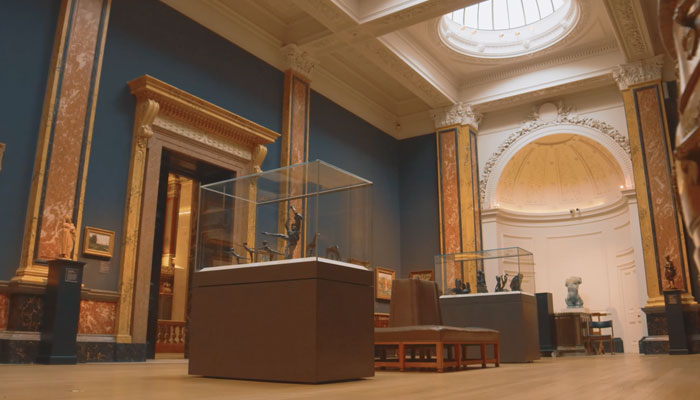
Right now, a museum which I think feels quietly ripe for licensing is The Fitzwilliam Museum in Cambridge. The Fitzwilliam holds a substantial permanent collection – from paintings, manuscripts, rare books, ceramics and antiquities. Crucially, it operates under the globally recognised halo of the University of Cambridge, so this combination of archive depth and academic prestige creates particularly strong foundations for licensing.
While some institutions lean into bold, commercial collaborations, the Fitzwilliam’s strength lies in its academic authority, heritage and distinctly English setting. Under the Cambridge name, it carries a level of intellectual prestige – one that lends itself to a quieter, more considered approach to licensing. Think interiors influenced by historic design, beautifully produced stationery or limited-edition publications: products that feel crafted, scholarly and enduring.
Simon Foulkes, MD, Rainbow Productions
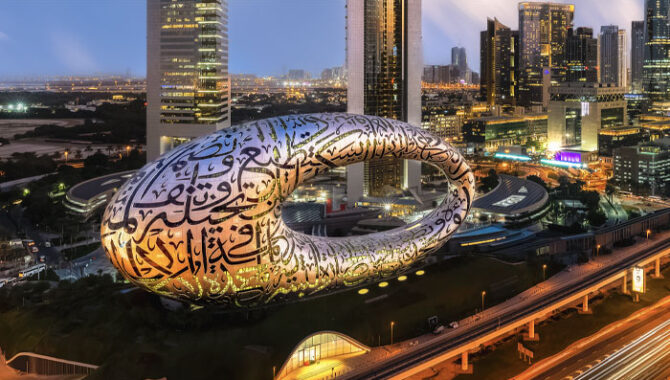
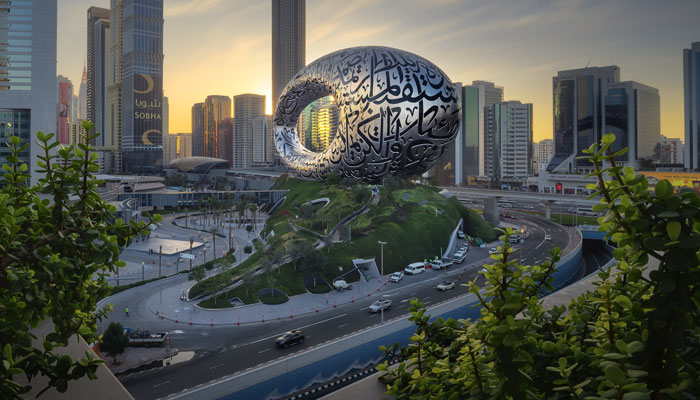
The interactivity of the Museum of the Future in Dubai offers a complete sensory overload, utilising all the skills of the visitor attractions industry. Highlighting themes of innovation and sustainability, the museum visualises and predicts the world in 2071. An unknown future shaped by the beauty, trauma and influences of the past. The potential to license this incredible museum globally – which is not only architecturally stunning but conceptually unique – is absolutely untapped.
It is one of the most visited attractions in Dubai and one of the most iconic structures in the world: there’s the audience and there’s the USP! Its licensing programme could be shaped by beauty, imagination and practicality and will always be contemporary, relevant and ubiquitous. A delicious opportunity for both consumers and a licensing imagineer.
Byron Williamson, License & Marketing Manager, Spike Leisure
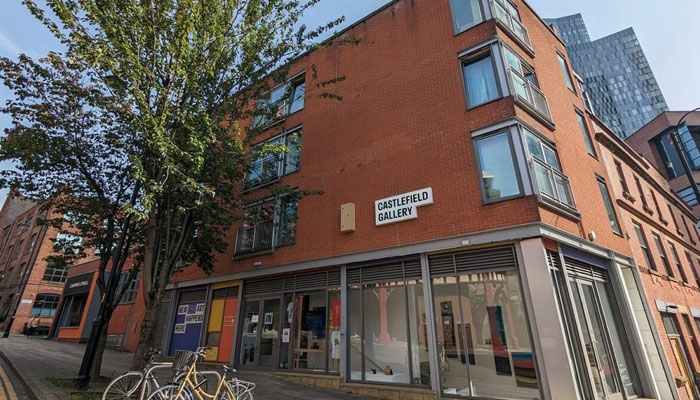
The Castlefield Gallery in Manchester. It’s dedicated to pushing forward contemporary art and artists and is always very inspiring to visit. This has to be an untapped opportunity as various licences could be sold from here, from classic British comedy to the likes of Wallace & Gromit.
And which museums would our contributors highlight as must-attends…
Ian Downes, Director, Start Licensing
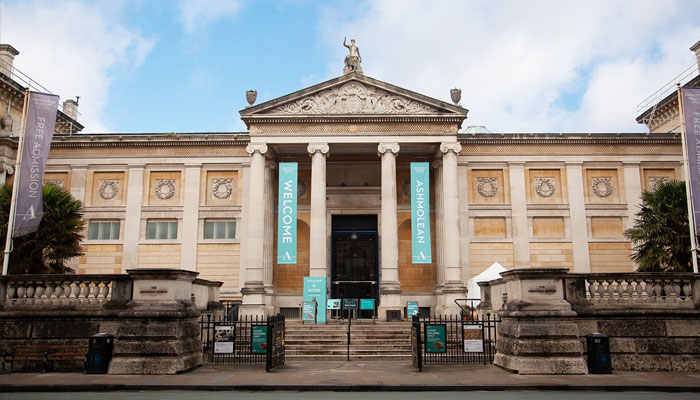
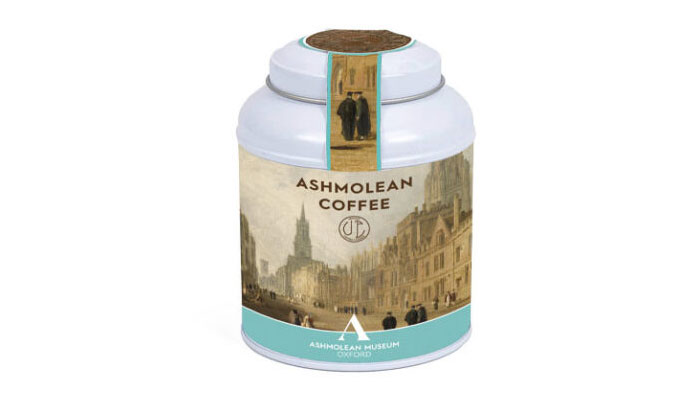
I have to declare an interest and say that The Ashmolean Museum is one of my clients – but I would thoroughly recommend a visit to the Ashmolean. It is one of Oxford’s crown jewels and its collection is like a Greatest Hits album. There are interesting, engaging and fascinating items throughout the collection. The Ashmolean are good at telling stories and they present their collection in an engaging way. The Museum, which was opened in 1683, has been inspiring minds since then. It’s a great place to visit – not least as it is easy to navigate around. You can dwell in a gallery and not feel under pressure to move on or you can take a quick tour very easily. From a licensing perspective, we use the Museum as a living style guide and have found that licensees respond very well to seeing the collection in situ. I know designers from licensing companies find it a very effective place to research new ideas.
Gemma Lloyd, Content Manager for Spring Fair’s Licensing Lab
London is home to several of the world’s most Instagrammed museums, with the V&A and National Gallery both ranking in the top 10. Described by Lonely Planet as one of the world’s greatest galleries, the National Gallery is a must-attend for anyone visiting London.
From Van Gogh’s Sunflowers to Monet’s landscapes, these are not just recognisable names – they are artists who shaped many of our earliest experiences of art. The National Gallery is home to masterpieces that exist only within its collection, and seeing the originals in person is something truly special. This breadth of the National Gallery’s iconic artwork makes it powerful not just as a visitor experience, but as a licensing force. Its collections are visually rich and widely known, translating naturally into product. The National Gallery ranges are now stocked at retailers such as Marks & Spencer.
Museums and galleries are no longer just cultural spaces – they’ve become powerful, recognisable brands. As demand for licensed product continues to rise, institutions are increasingly looking at how far their collections and influence can reach. The Amsterdam Van Gogh Museum’s unexpected partnership with Pokémon is a clear example of how far museum-led licensing has come. By presenting classical art in new ways, museums are engaging new audiences and demonstrating the enduring strength of heritage IP.
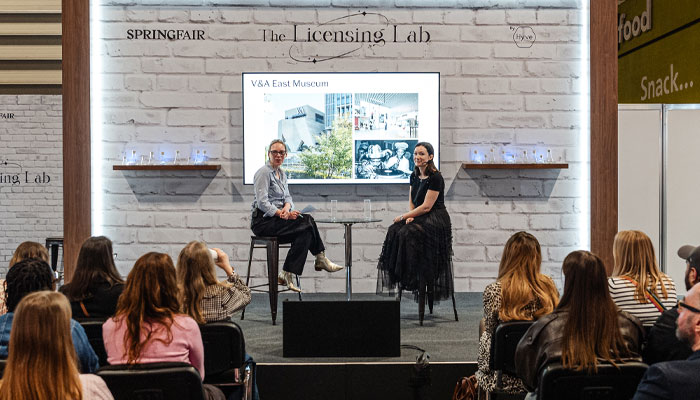
At Spring Fair’s Licensing Lab earlier this month, the V&A hosted a session on its licensing programme and drew a packed audience. This signalled just how strong retailer appetite for museum-led IP is, and they weren’t the only one. In a separate session, Aardman discussed its licensing strategy and, with its own exhibition currently on at the Young V&A, reinforced the ongoing strength of heritage-driven brands.
With over 38,000 attendees at Spring Fair and more than 300 exhibitors showcasing licensed products, the appetite for licensing is clear – and it’s why we launched the Licensing Lab. The momentum continues as we return next year with a space designed to connect exhibitors with buyers seeking their next best seller, and a focused content programme set to support both new and established licensees. We look forward to welcoming the industry back!
Simon Foulkes, MD, Rainbow Productions
I guess that there is a connection between the weather and visiting galleries, museums, castles and stately homes… So this year, believe me, the Foulkes family have recorded a record number of such visits so, on this subject, I can speak with some relevance and have a ready-made focus group to assist me. Trying to imagine the significance of the pile of rubble in a field before Henry VIII and his second wife changed its fortunes forever is a challenge – what we strive for is some sort of connection.
Connection is absolute key to heritage-trekking and museums and galleries have made massive strides over the years to not just cater to the intelligentsia. And here I assign the hordes of school children with their pound coins feverishly bypassing all the “boring” exhibits just to buy an eraser in the gift shop, through to PHD students looking at an object through revolutionary and era-redefining eyes.
The welcoming, warmth and wonders of a recent visit to The Ashmolean Museum in Oxford truly stand out. From the moment we entered the lobby it was clear why this museum had achieved what so many heritage attractions strive for. The Ashmolean is the oldest public museum in the UK so they have had longer than others to get it right – but boy have they succeeded.
The exhibits are as fascinating as other museums and galleries, with no standout Mona Lisa moments, but what they’ve got they maximise. They coordinate the displays perfectly and take the heritage-trekker on a journey highlighting key exhibits and focusing on millennia-old objects which are relatable and relevant to the world we live in. This coordination of the journey and highlighting of certain exhibits is absolute key to The Ashmolean’s ability to grow and drive licensing programmes. The quest and vision to develop a licensing programme is driven by connection.
There is no way in one visit anyone can take in all the exhibits, but the episodic structure of the Gift Shop mirrors the journey through the museum and gallery. Those artifacts, pictures, stories previously experienced are laid out so precisely that The Ashmolean effect can continue – but this time the visitor can “own” some of that emotional connection.
The strategy employed to maximise the relevancy of the consumer products to the museum itself is exemplary and is an absolute blueprint for others in this section. This isn’t a licensing programme built on erasers and pencils but a beautifully tailored programme which has visitors to the museum at the heart of it.
Byron Williamson, License & Marketing Manager, Spike Leisure
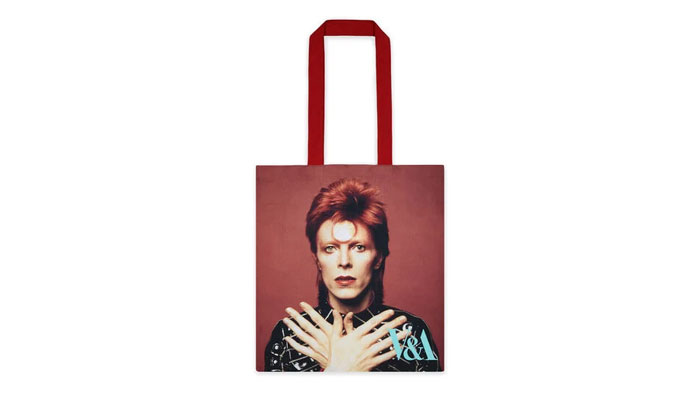
The museum I would nominate as a must attend is the Victoria and Albert Museum in London. I have been to many of its previous Exhibitions and just love what they do – expect the unexpected! The storytelling of each exhibition is well thought out and full of fantastic insights. The Museum is easy to navigate around, and you can take your time soaking in the atmosphere. This museum’s shop is a perfect example of how to sell licenced products across many different formats from apparel to merchandise. One of my favourites has to be the David Bowie collection, which shows what can be done with music in museums.

From Duolingo to RuneScape, industry figures share their picks for untapped brands to watch this year.

“Licensing, moi?!”: Industry figures tell us where the iconic swine could shine in consumer products, experiences and beyond…
From local licensing to pop-up experiences, industry figures share their thoughts on how brands can help the high street.
With Q4 upon us, Licensing Ltd’s Paul Bufton, Start Licensing’s Ian Downes, The Brand Director’s Tim Collins and Aardman’s Ben Townsend reflect on the year’s trends – and what’s next.
With festival season upon us, we asked industry figures for their picks of bands and artists that could thrive in the world of consumer products and experiences.

From Extreme Dinosaurs to SuperTed… Buffy the Vampire Slayer to Thriller Krew… We asked industry figures about brands they’d like to see relaunched – and how they could succeed in licensing…

Receive the Brands Untapped Newsletter


Enter your details to receive Brands Untapped updates & news.