—-
To stay in the loop with the latest features, news and interviews from the creative community around licensing, sign up to our weekly newsletter here



We dig into brand plans with Nikki Beckett, MD at The Snowball Effect and the Royal Entomological Society’s Anne Weinhold, Head of Development and Projects, and Francisca Sconce, Senior Outreach and Learning Officer.
Can you tell us a little bit about the Royal Entomological Society, its focus and purpose?
We are a global charity with a 192-year history, counting Charles Darwin and Miriam Rothschild among our community. With a membership of over 2,500 insect scientists, we’re seen as the go-to organisation for the study of all insects. We publish research, provide funding, offer advice and connect people to better understand insects and their impact on the planet.
With our licensing and partnerships programme we are looking to celebrate the wonderful world of insects, to raise awareness of how remarkable, valuable, quirky, beautiful they are – and to share the various ways they contribute to our lives through individual insects and insect family stories.
The Royal Entomological Society is developing a strategy to create new commercial partnerships and licensing deals. What is the rationale behind this and where do you see your initial opportunities coming from?
Many other nature-focused charities predominantly raise the flag for the more popular insects like butterflies and bees, with licenses in place across gardening, homewares, arts and crafts, lifestyle, food and beverage. They have done a great job in driving interest and care for these vital day time pollinators. We see our role as a unique opportunity to widen the story and to raise the banner for some of the other beautiful, mysterious, wonderful and vital contributors to our world.
“We’d love to secure an alliance with an ambitious botanical drink brand, to develop a lunar elixir, flavoured by botanicals that are pollinated by nocturnal insects.”
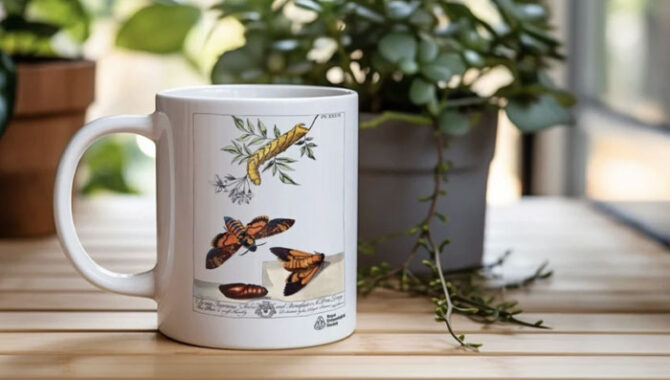
We are working on a two-tier strategy to achieve this initially. We’re working with licensing industry’s creative talent to bring our rich archive of historic imagery and stories to life in new ways. We’re also collaborating with talented contemporary artists to commission exquisite new assets to specifically marry science, education, heritage and luxury artistry for the luxury and heritage sector.
On that, can you tell us more about your archive and the artwork in it?
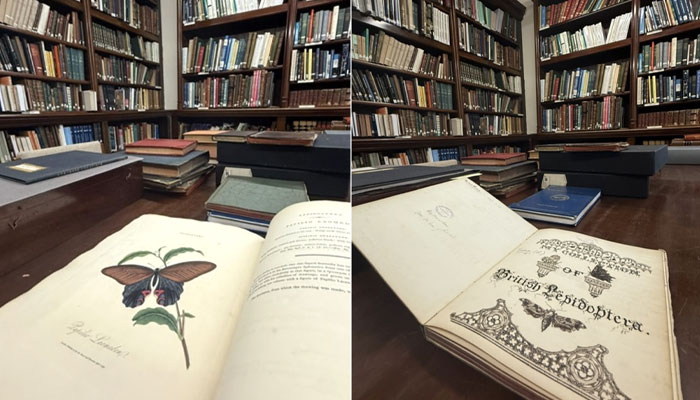
We have one of the world’s leading insect-focused libraries and an archive full of stunning imagery and fascinating history, much of this already digitised, making it much more accessible to licensees and partners. We now intend to work with licensees and partners to shape new stories that are interesting, entertaining, educational, and help to select and refine the most relevant assets to bring those stories to life in new ways.
What steps are you taking to ensure your brand has a distinctive look and feel in the market?
We will stand out via the quality of our storytelling and our focus on the wider world of insects beyond bumblebees and butterflies, with moths, crickets and beetles just some of the heroes whose stories we want to tell. There really are so many amazing stories to share that bring the fascinating lives of these insects to life, and we are passionate about sharing these. So many kids love bugs when they are young, and we want to bring back that love and to stand tall for these small and vital mini personalities and heroes of the natural world.
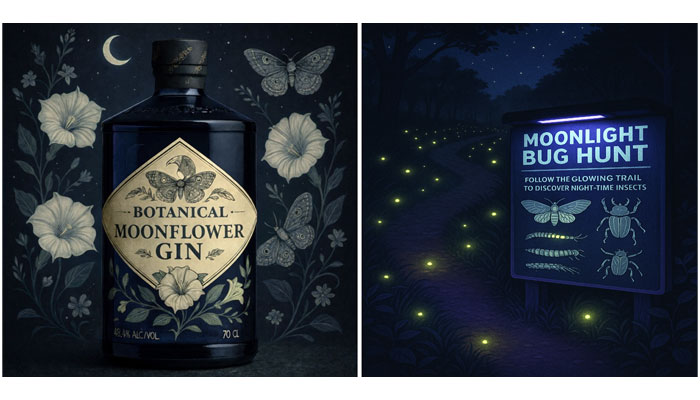
One aspect of your work is around night-time insects. Can you tell us a bit more about this and the commercial opportunity you think this might inspire?
Yes, one of the first stories that stood out to explore was that of the magical world of insects that comes to life once our curtains are drawn and we’re all tucked up in bed.
There is a lot of ancient folklore and mythology around these nighttime dwellers. For example, moths have been written into stories for centuries, seen as symbols of transformation and rebirth, and as messengers from the spirit world. But what is often forgotten is their important role, pollinating our food, that we all enjoy eating. The UK has more than 2,500 moth species, many of them just as colourful and enigmatic and vital as some of our most beloved butterfly species.
Other magical nighttime inhabitants include little common glow worm beetles – the females are strongly bioluminescent. As well as teaching kids about the fascinating science behind their light up powers, we can also have some fun exploring storytelling arcs around the fact their glow comes from their bums! Kids will delight in that fact.
Ha! I’m sure they will! So this could all feed into the licensing plans?
Yes, we’re excited to explore the potential for these stories across licensing and partnerships, and we will be approaching brands who have a natural interest in nocturnal and nature themes. A few initial examples include the leisure sector – nocto-tourism is in growth with families actively seeking new ways to explore the world, so we aim to explore ideas for ticketed nocto-tourism experiences.
When the curtains are drawn and nighttime descends, we have a chance to celebrate the world that comes to life when we hunker down, with themed candles, lampshades, nightwear, bed cushions, curtains, night cap drinks, alcohol or hot chocolate.
And then there’s crafting – celebrating the beauty and mystery of nighttime insects along with fascinating facts, with jigsaws, colouring in books, jewellery… And the gardening sector – think insect-friendly lighting, nighttime pollinator friendly planting, seed packs and garden ornaments.
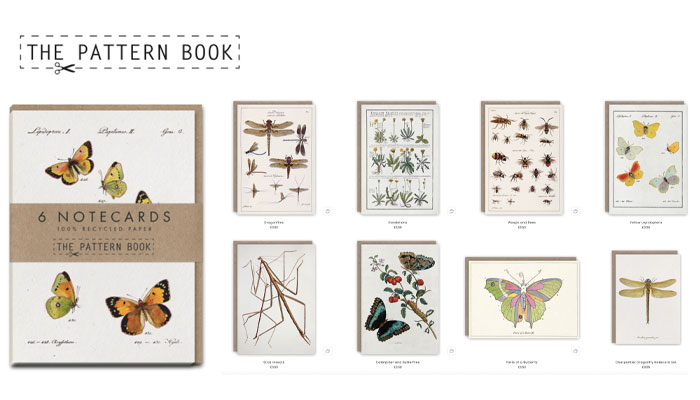
I understand the Society runs an annual photography competition. Are you going to incorporate this competition and the photography into your strategy?
Our annual photography competition is something we have exciting ambitions for going forwards, but it is already a fantastic resource for us, with photographers often happy for us to use their imagery commercially.
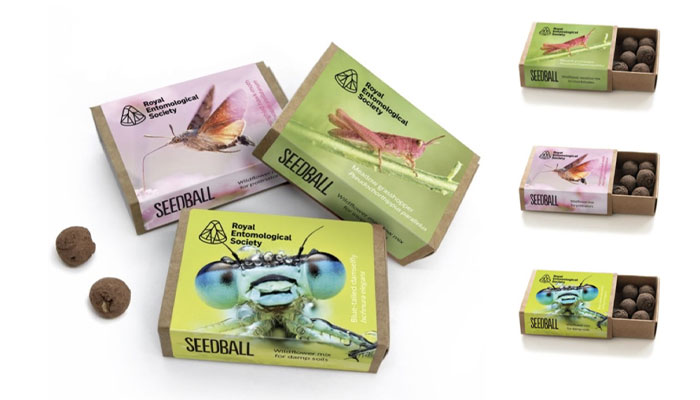
A great example of this would be our current Seedball alliance, which features winning imagery to give the packaging a fresh and contemporary feel. This is a good initial example of our storytelling ambitions, in this instance we worked with Seedball to launch seedballs that each supported beetles, moths or damselflies.
You previously worked with Aardman and their series Lloyd of the Flies. How did this work for you and has it encouraged you to think about other similar partnerships?
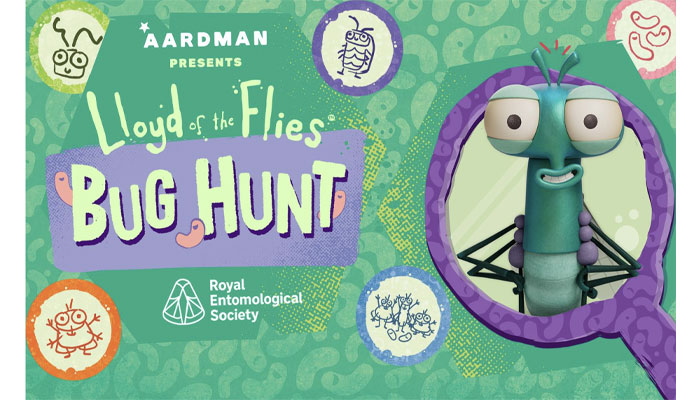
Yes, we’ve been working with Aardman and Lloyd of the Flies in a fantastic AR bug hunt collaboration for a few years now, running trails across the UK – and we’re happy to report this is a collaboration that is still going strong. We love the combination of entertainment and education to engage families. They love that this is entertainment with a purpose, that as well as having fun, they learn loads at the same time too. We are keen to explore more partnerships like this in future.
Looking at the wider market are there any specific retail and product trends that you would highlight that you think align with your strategy?
We are seeing nature’s influence in more fashion in 2025, and we’re specifically interested in how eco-friendly, and nature inspired brands are introducing styles that are merging the realms of cultural impact and sustainability. We are seeing both consumers and designers becoming more environmentally conscious and wanting to reflect this in their choices and we are keen to support and help amplify this trend where we can.
We’re particular thinking about eco-friendly supply chains and materials, which require fewer pesticides, but also using our rich archives and heritage to inspire colour palettes, prints and patterns also. We are keen to celebrate more nature-based materials and insect inspired designs, which are produced in a more sustainable fashion and with a more aware and transparent supply chain infrastructure. We can help brands on that journey if it’s a new way of working that they are interested in exploring as part of an alliance.
What measurements will you use to gauge if your efforts have been successful?
Success for us will work across people, planet and profit – how many people have we reached to influence their view on insects? Have we brought their stories to life in interesting new ways? Have we changed perceptions at all? Have we made any meaningful impact on how humans interact with and care for the insect world through more mindful actions? Finally, how much commercial revenue are we generating via licensing, partnerships and sponsorships, to feed back into the world of insect science.
If you could flag up one or two partnerships that you think is a perfect match for your brand and objectives – what would it be?
For families, we’d love to work with a brand like Bear Snacks. They already support their brand with loads of added value fun, inspiring kids to be curious and adventurous. We’d love to work with them on some new mini-beast inspired ‘Bearillint Beasts’ cards for their collection. We could also work on joint citizen science projects that get kids out into nature fuelled by their snacks as part of a national campaign and so many other ways we could bring value to each other too.
For adults, we’d love to secure an alliance with an ambitious botanical drink brand, to develop a lunar elixir, flavoured by botanicals that are pollinated by nocturnal insects. With scope to secure well supported listings in high end sustainably minded hotels, as well as to bring some much-needed bar flare and fun cocktails to other high profile environmental event. The nightlife equivalent of Beesou!
Good suggestions! Thanks again guys.
“We’re moving into categories where flavour licensing hasn’t historically played…”: In conversation with Scott Dixon, Managing Director at The Flava People.
Dark art, fashion and mental-health awareness: in conversation with Any Means Necessary’s Shawn Coss.

“There is a massive market being ignored”: Rich Woodall, Head of Awesome at Kawaji, shares anime insights, approval pain-points and plans for this year.
“The independents do an amazing job with licensed toys”: In conversation with licensing stalwart, Lucy Wynn-Jones.
Sasha Reid and Cathy Snow talk Gertrude Jekyll, style guides and creative collaborations.
From the rise of AI to a Hello Kitty and Friends Inflatables style guide… Jemima Chamberlain talks us through 2025 highlights, challenges and surprises.





Enter your details to receive Brands Untapped updates & news.